
Stay informed on the latest news, announcements, and initiatives from the Southeast Regional Service Commission

23 September 2026
Southeast RSC unveils ODYSSEY, a new regional identity for Southeast New Brunswick’s trail network
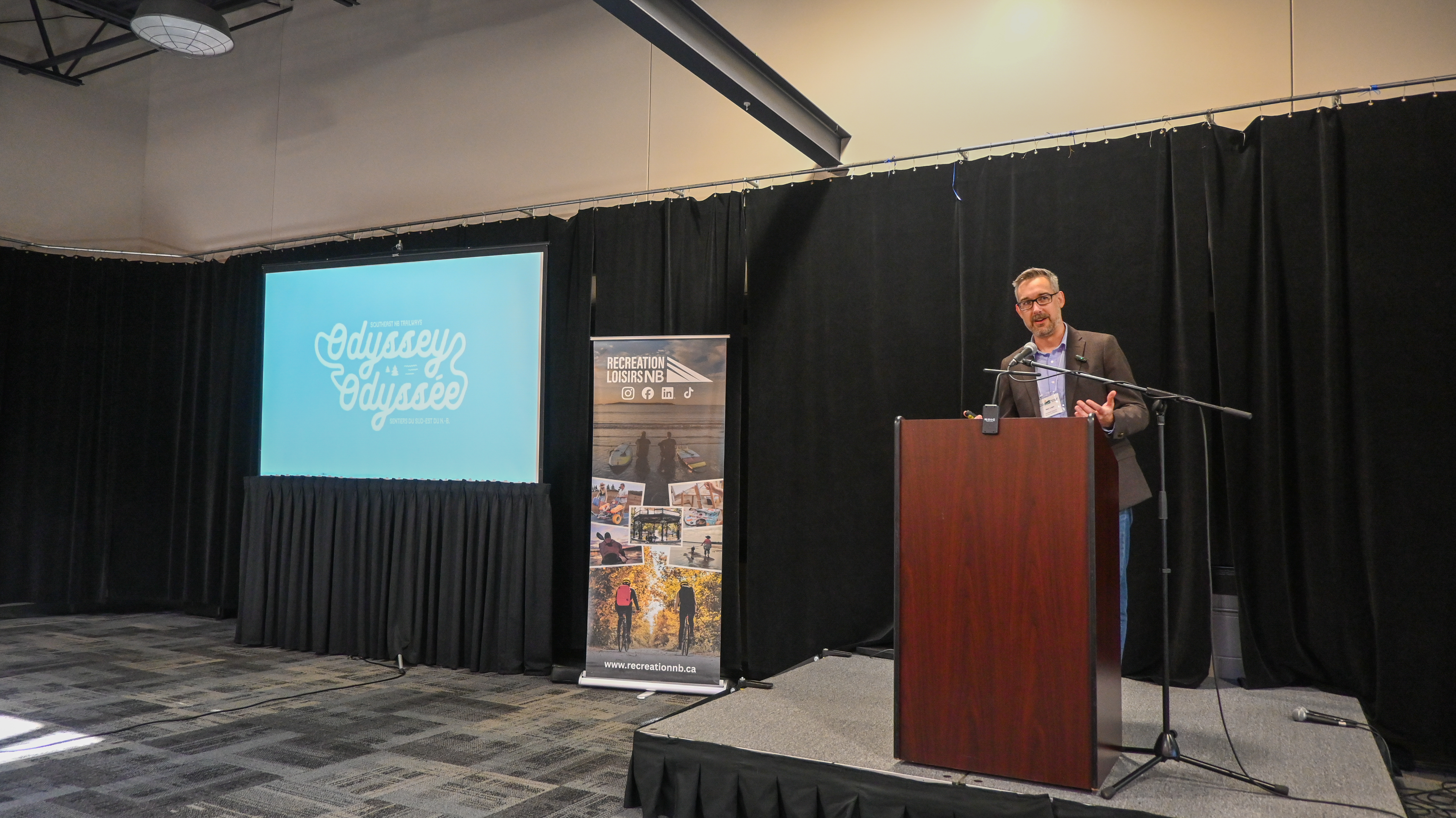
The Southeast Regional Service Commission (Southeast RSC) unveiled ODYSSEY, the new brand identity for its regional trail network, during the Provincial Trails Forum in Moncton.
“ODYSSEY represents more than a new name for our trails. It represents our vision of an epic journey connecting our region’s great communities, landscapes and cultures,” said Roland LeBlanc, CEO of the Southeast RSC. “Whether someone is heading out for an afternoon walk or planning a longer adventure through the region, we want this network to invite people to explore, discover and experience more of what Southeast New Brunswick has to offer.”
The new identity is the result of a multi-stage research, consultation and brand development process undertaken by the Southeast RSC. The work included input from municipalities, trail and tourism expertise, focus groups, regional stakeholders and First Nations engagement, with the goal of developing an identity that reflects the character of the region while supporting the long-term growth of its trail network.
“Trails have an important role to play in our communities, from recreation and active living to tourism and economic development,” said Maxime Bourgeois, Chair of the Southeast RSC Board and Mayor of Memramcook. “A strong regional identity gives us an opportunity to bring those individual experiences together and tell a much bigger story about our region.”
ODYSSEY will provide a common identity through which trail experiences throughout Southeast New Brunswick can increasingly be connected and promoted. The brand is intended to support a more cohesive regional approach while allowing the individual character of trails and the communities they pass through to remain an important part of the experience.
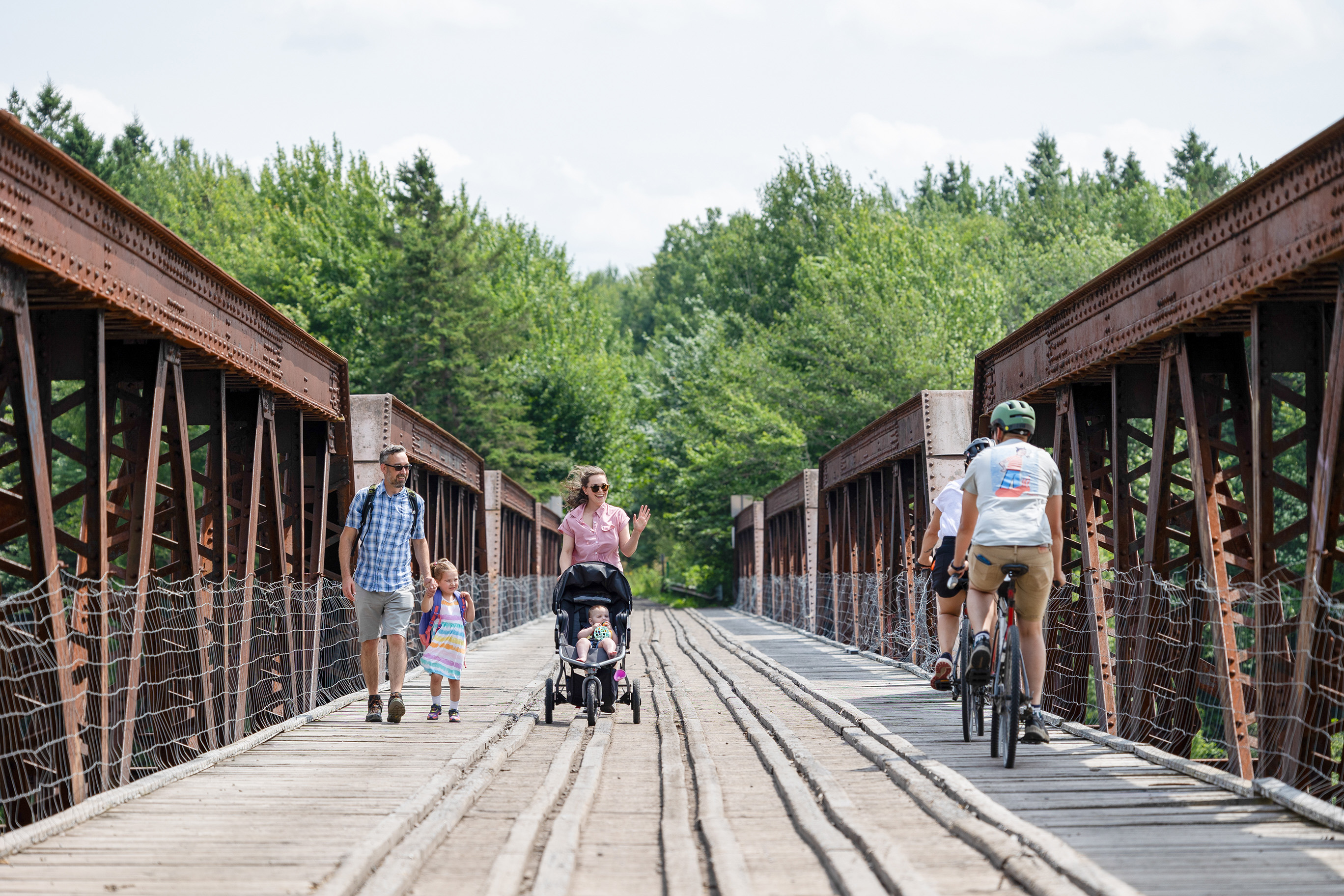
“The name was selected to evoke a sense of journey, discovery and exploration. An odyssey can be a major journey, but it can also begin with something as simple as deciding to take a trail you have never explored before,” said Marc Leger, Regional Trails Coordinator. “That sense of possibility is at the heart of this brand. We want people to discover new places, visit neighbouring communities and see the Southeast through a different lens.”
The September 23 unveiling marks the beginning of the next phase of the initiative. Over the coming months, the Southeast RSC will continue working with municipalities, partners and trail stakeholders on the implementation of the ODYSSEY identity, including the development of digital tools, public-facing resources and other elements that will help residents and visitors discover and navigate the regional trail network.
Additional information on ODYSSEY and the regional trail network will be announced as implementation progresses.
03 September 2026
Building responsibly
Myths and Realities About Plan360’s Role
Building a house, renovating a property, or undertaking a development project often represents a significant investment. Before getting started, it is important to understand the applicable rules and roles of the various stakeholders.
Plan360 supports residents, contractors, and developers throughout their projects; however, several misconceptions still exist about its responsibilities and decision-making authority.
To help demystify the process, we have gathered some of the most common myths and clarified the reality of Plan360’s role. You will learn who makes the decisions, what Plan360 can do, and where its authority ends.
MYTH #1
“Plan360 decides everything.”
Reality
Not always. Plan360 applies regulations established by the province or municipalities. The Planning Review and Adjustment Committee, municipal council, or, in some cases, provincial government agencies may also be required to approve a project.
MYTH # 2
“I own the land, so I can build whatever I want on it.”
Reality
Owning a property gives you certain rights, but those rights must be exercised in accordance with applicable regulations. These rules help protect public safety, the environment, infrastructure, and the quality of life of the entire community.
MYTH # 3
“My neighbour received a permit, so I should receive one too.”
Reality
Every property is unique. Even when two properties appear similar, several factors can affect a project review, including zoning, which may differ from one property to another, setbacks, lot area, easements, environmental risks, previously issued permits, and the regulations in effect at the time of the application. This is why two similar projects may result in different decisions depending on the property.
MYTH # 4
“Plan360 can change the zoning of my property.”
Reality
No. Zoning amendments are decided by municipal council through a public process. Plan360’s role is to review rezoning applications related to specific projects, assess their potential impacts, and provide professional recommendations.
MYTH # 5
“A public hearing means that my project will be approved.”
Reality
A public hearing is one step in the decision-making process. It allows the public to learn about the project and provide comments or express concerns. Holding a public hearing does not mean that a project will be approved. The decision is made by the appropriate authority after the entire file has been reviewed, comments have been considered, and the applicable regulations have been assessed.
MYTH # 6
“If Plan360 refuses my project, it is a personal decision.”
Reality
Plan360 professionals apply the same rules to every application. Permit decisions and professional recommendations are based on the Community Planning Act, municipal by-laws, zoning regulations, and other applicable requirements. They are never based on personal preference or an applicant’s personal circumstances.
MYTH # 7
“Building without a permit or starting work while my permit is being processed will save me time.”
Reality
When a permit is required, starting work without one can result in additional costs or require you to modify the work to bring it into compliance. Contacting Plan360 and obtaining the necessary approvals before starting a project can help you avoid issues.

MYTH # 8
“If I’m only doing minor work, I don’t need to contact Plan360.”
Reality
Before starting any work, contact Plan360. The team can tell you whether a permit is required and explain the requirements that apply to your project.
MYTH # 9
“Once I have my permit, I can make changes to my project as I go.”
Reality
A permit is issued for a specific project. If you wish to make significant changes to your project after the permit has been issued, contact Plan360 to determine whether a new approval or an amendment to the permit is required.
MYTH # 10
“A permit issued by Plan360 replaces all other approvals.”
Reality
Depending on the nature of the project, other approvals may be required, particularly if the project affects a watercourse, coastal area, wetland, or certain infrastructure. Plan360 can direct you to the appropriate agencies, if necessary.
MYTH # 11
“My contractor is taking care of everything. I don’t need to contact Plan360.”
Reality
The property owner is ultimately responsible for any activity taking place on their property. Contractors are generally familiar with the requirements related to their work, but it is always best to contact Plan360 before starting your project. The team can confirm whether a permit is required and explain the rules that apply to your property. A few minutes spent checking directly with Plan360 can help prevent miscommunication and the problems that may result from it.
MYTH # 12
“Plan360 serves all municipalities in southeastern New Brunswick.”
Reality
Plan360 provides planning and development services to the following municipalities: Cap-Acadie, Fundy Albert, Maple Hills, Memramcook, Riverview, Salisbury, Shediac, Strait Shores, Tantramar, Three Rivers, and the Southeast Rural District. Plan360 also works with Moncton and Dieppe on regional planning.
The cities of Moncton and Dieppe have their own planning and development departments. Residents of these municipalities should therefore contact their city directly with questions related to permits and land-use planning. Residents of communities outside the boundaries of the municipalities served by Plan360 should contact the regional service commission responsible for their area.
In summary
Plan360 can...
Inform residents about the requirements that apply to their projects.
Issue certain permits.
Verify that a project complies with applicable requirements.
Review applications.
Provide professional recommendations.
Plan360 assists with…
Amending municipal plans and zoning by-law by providing studies and recommendations to councils.
Providing recommendations to councils regarding zoning applications related to specific projects.
Plan360 cannot...
✘Approve a project that does not comply with applicable laws or regulations.
✘ Disregard requirements set out in legislation.
✘ Make every decision related to land-use planning.
Have a project? Start with a conversation…
Whether you are planning a new build, an addition, a basement renovation, or a subdivision project, contacting Plan360 before starting work can save you time and help you avoid problems.
The team is there to explain the rules that apply to your property and guide you through the approval process so you can move forward with your project with confidence.
13 August 2026
Educating the Next Generation to Protect the Planet
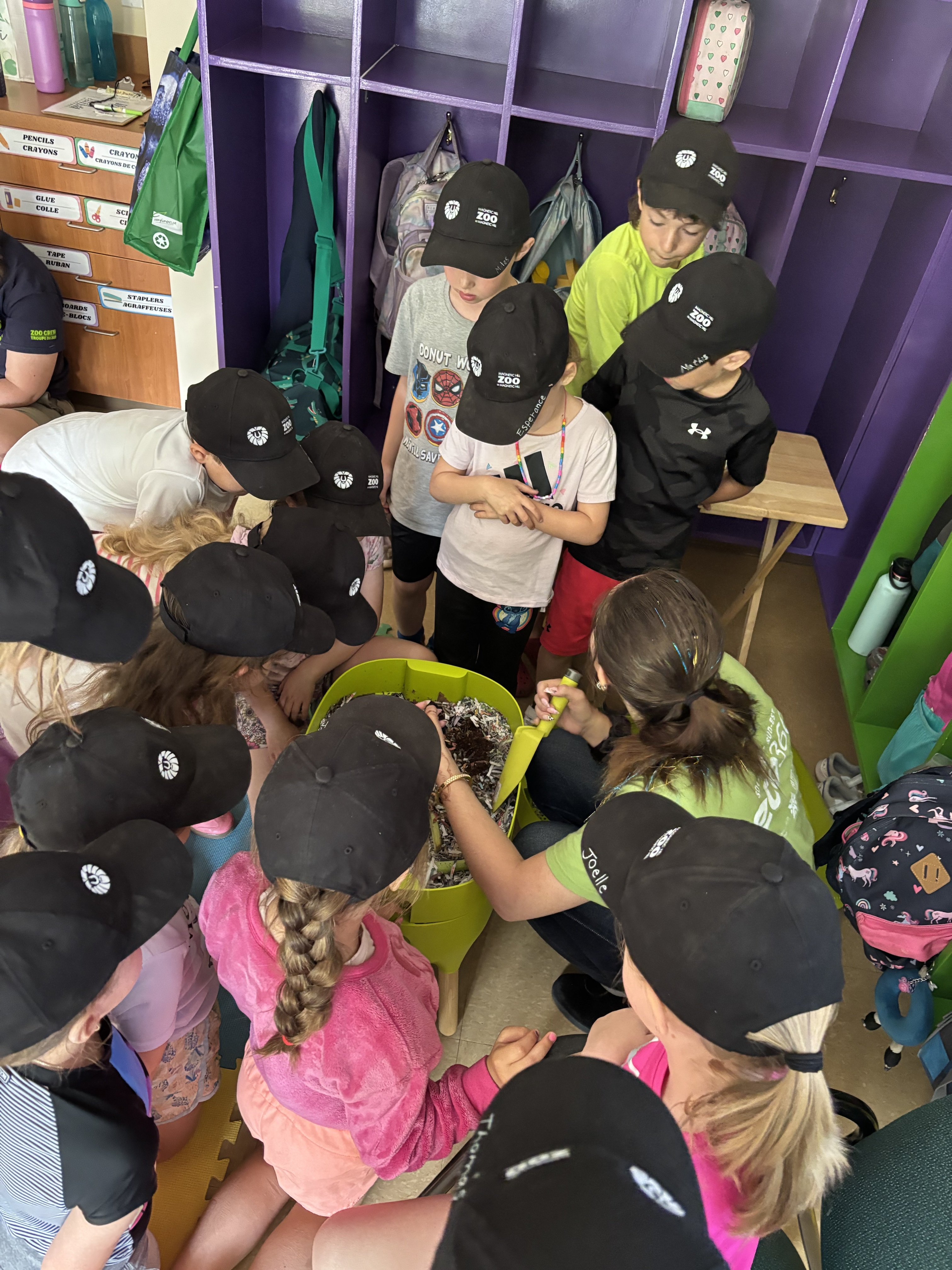
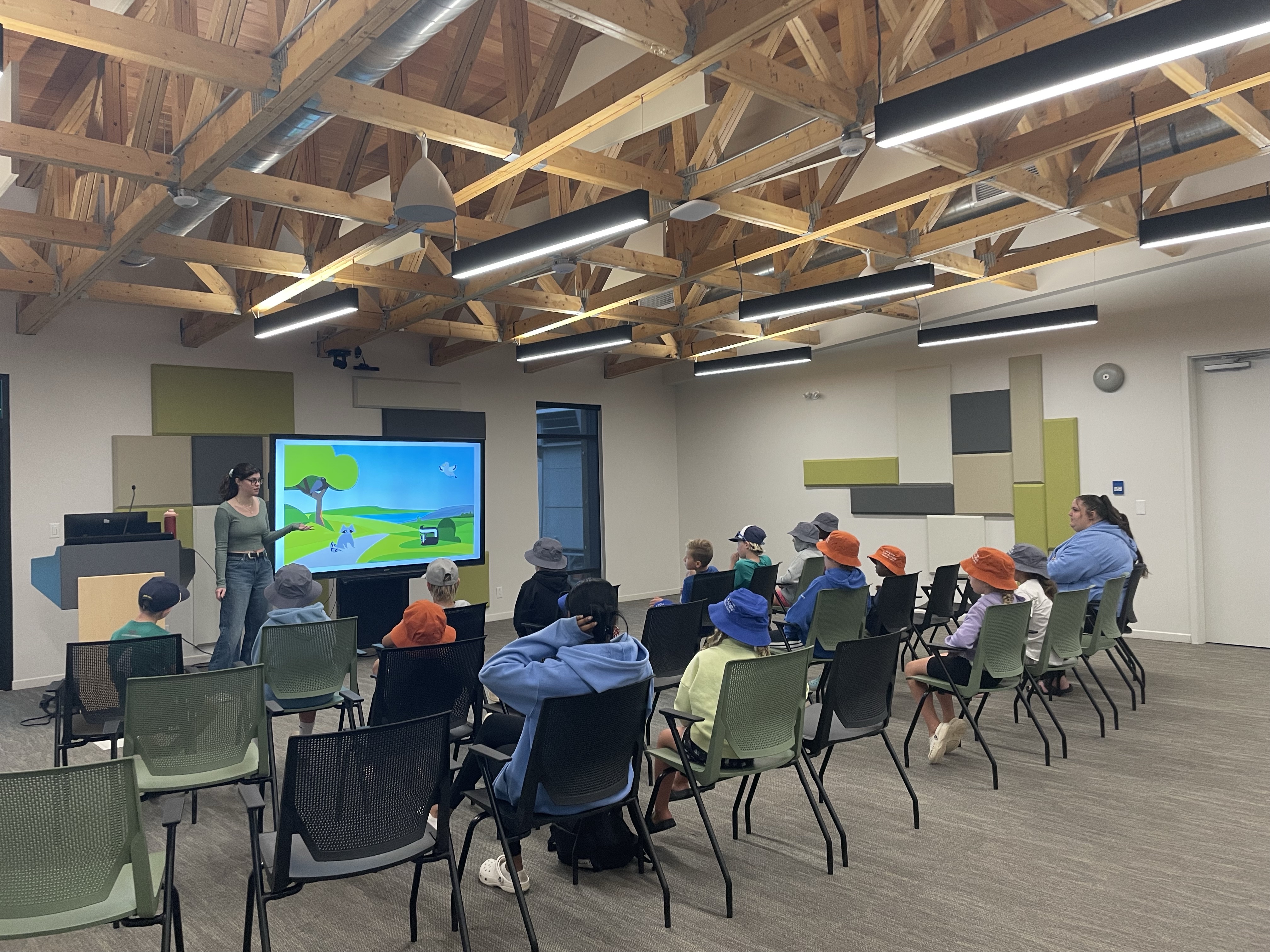
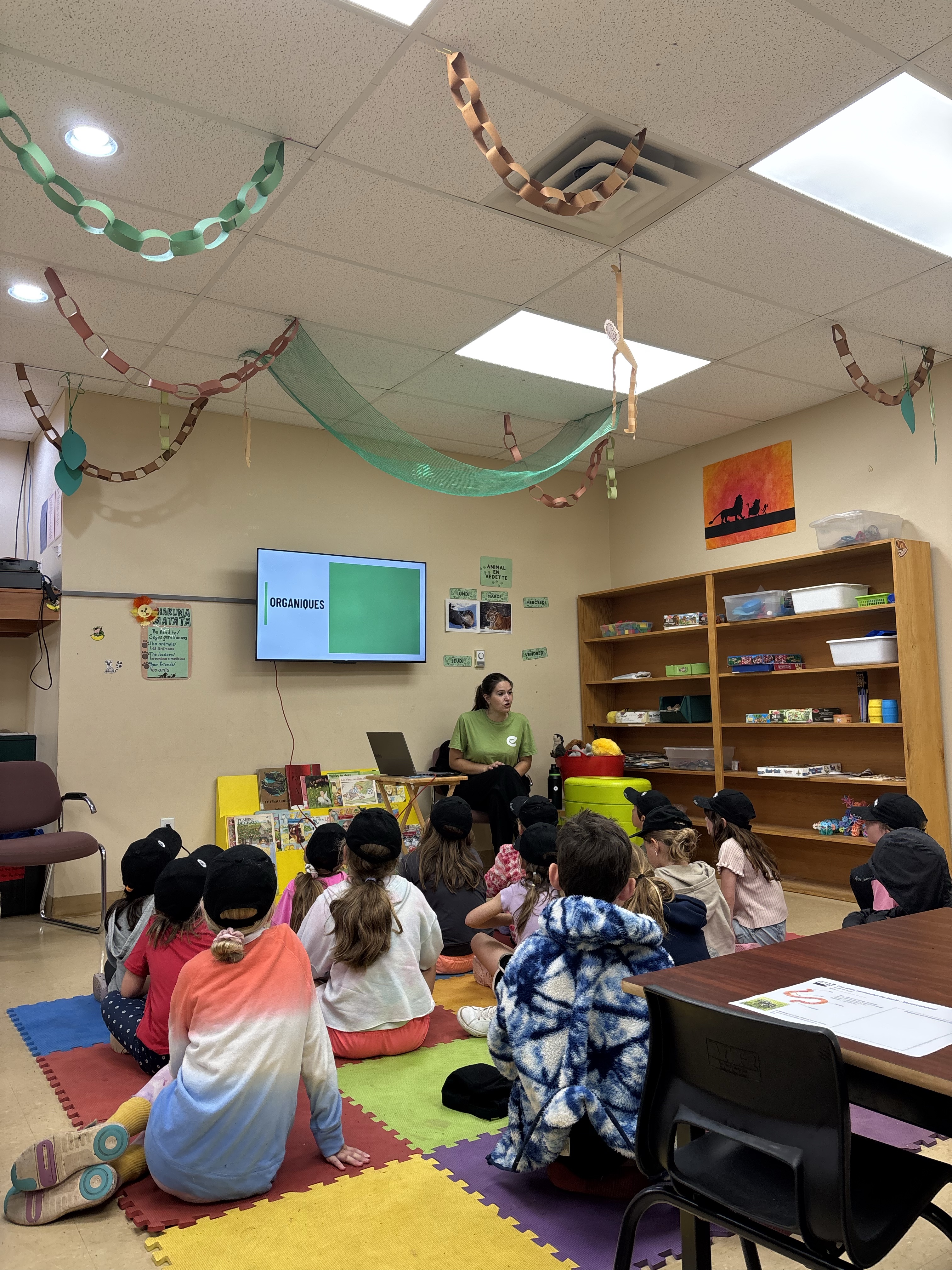
Every year, Eco360 introduces thousands of children from Southeast New Brunswick and surrounding communities to environmental stewardship. Through programs delivered in schools, early learning centres, community organizations, public events, and at its Berry Mills facilities, young participants gain the knowledge and practical skills to better understand the world around them.
"Environmental education gives young people the knowledge and confidence to make informed choices. By helping them understand the impact of their actions, we're building a generation that recognizes the role we all have in protecting the environment." – Sebastian Hultberg, Director, Eco360.
Learning through experience
Approximately 4,500 young people participate in Eco360's environmental education sessions each year. They learn about waste sorting, composting, recycling, and the importance of protecting natural resources.
Eco360's team brings these learning opportunities to schools, early learning centres, and community events. Participants can also visit the Berry Mills facilities to see firsthand what happens to waste after it is collected and how different materials are managed.
Games, demonstrations, challenges, and interactive activities make these sessions engaging and accessible, giving children practical ways to put what they learn into action – from sorting materials correctly and composting food scraps to reusing items whenever possible.
"Introducing children to environmental education at an early age helps them understand that they are part of the environment and that their everyday choices matter. By building these values early, we help shape environmentally conscious citizens who will protect the world around them for years to come." – Hana Ahmady, Owner/Operator, Rumi Scholars After School Enrichment Program; former elementary teacher, ASD-E.
Taking the learning home
What children learn through environmental education often follows them home. Who hasn't heard a child remind a parent that a container belongs in a different bin or that a banana peel should be composted?
Young people share what they have learned, ask questions, and encourage family members to reconsider familiar routines. In this way, one educational experience can have an impact beyond the individual participant.
"Every activity is an opportunity to plant a seed. We want all participants to understand that their choices have a real impact on the planet. When they leave inspired to take meaningful action and encourage their families to do the same, we know our work has been done." – Arabella Bordage, Community Engagement Coordinator, Eco360.
"After attending Eco360's education sessions, I saw our students become more curious and more mindful about recycling, composting, and reusing materials. They even took the initiative to compost food scraps each day, showing how quickly environmental learning can inspire lasting behaviour change." – Hana Ahmady.

Learning supported by the community
Eco360's environmental education program is strengthened by a network of community partners. Schools welcome workshops into their classrooms, early learning centres introduce environmental concepts at a young age, summer camps incorporate environmental activities into their programming, and community organizations and municipalities create additional opportunities to learn.
These different settings give children opportunities to encounter environmental education both in their communities and in the natural world.
"Introducing children early to environmental education helps them develop empathy for animals, curiosity about nature, and an understanding that even the smallest actions can make a huge difference. The most meaningful learning happens when children experience nature firsthand, whether it's exploring local parks, participating in outdoor learning, or visiting places like accredited zoos or museums. These experiences help them build a lasting connection with nature, and when they feel connected to their environment, they're much more likely to want to protect it." – Chantal Fortin-Daigle, Visitor and Education Programs Coordinator, Magnetic Hill Zoo and Magnetic Hill Park.
An investment in future generations
At today's level of participation, a decade of Eco360's environmental education activities represents nearly 45,000 young people reached.
These young people are tomorrow's citizens, workers, entrepreneurs, elected officials, and parents. The knowledge and perspectives they gain today can influence the decisions they make and the communities they help shape in the future.
"Environmental education doesn't just teach children about nature, it gives them hope. By connecting young people with conservation projects and showing them that positive change is possible, we empower them to become part of the solution." – Caitlyn Robert, Program Coordinator, Nature NB.
Investing in environmental education today helps prepare a new generation to contribute to more sustainable communities tomorrow.
Interested in inspiring future environmental leaders?
Book a tour or one of Eco360's environmental education programs and introduce young learners to waste sorting, recycling, composting, and sustainable living through fun, hands-on learning.
Families, educators, and children can also continue the learning at home with Eco Hero, Eco360's interactive online game that teaches waste sorting in a fun and engaging way. It's a great refresher for adults, too!
Learn more, play Eco Hero, or book your visit at www.eco360.ca/eco-hero and www.eco360.ca/tours.
05 August 2026
Building a Regional Immigration Framework for Southeast New Brunswick
Immigration has been a vital driver of Southeast New Brunswick’s success. Newcomers have arrived to fill jobs, study, and start businesses. Even more importantly, they have contributed to the region’s economic, demographic and social vitality.
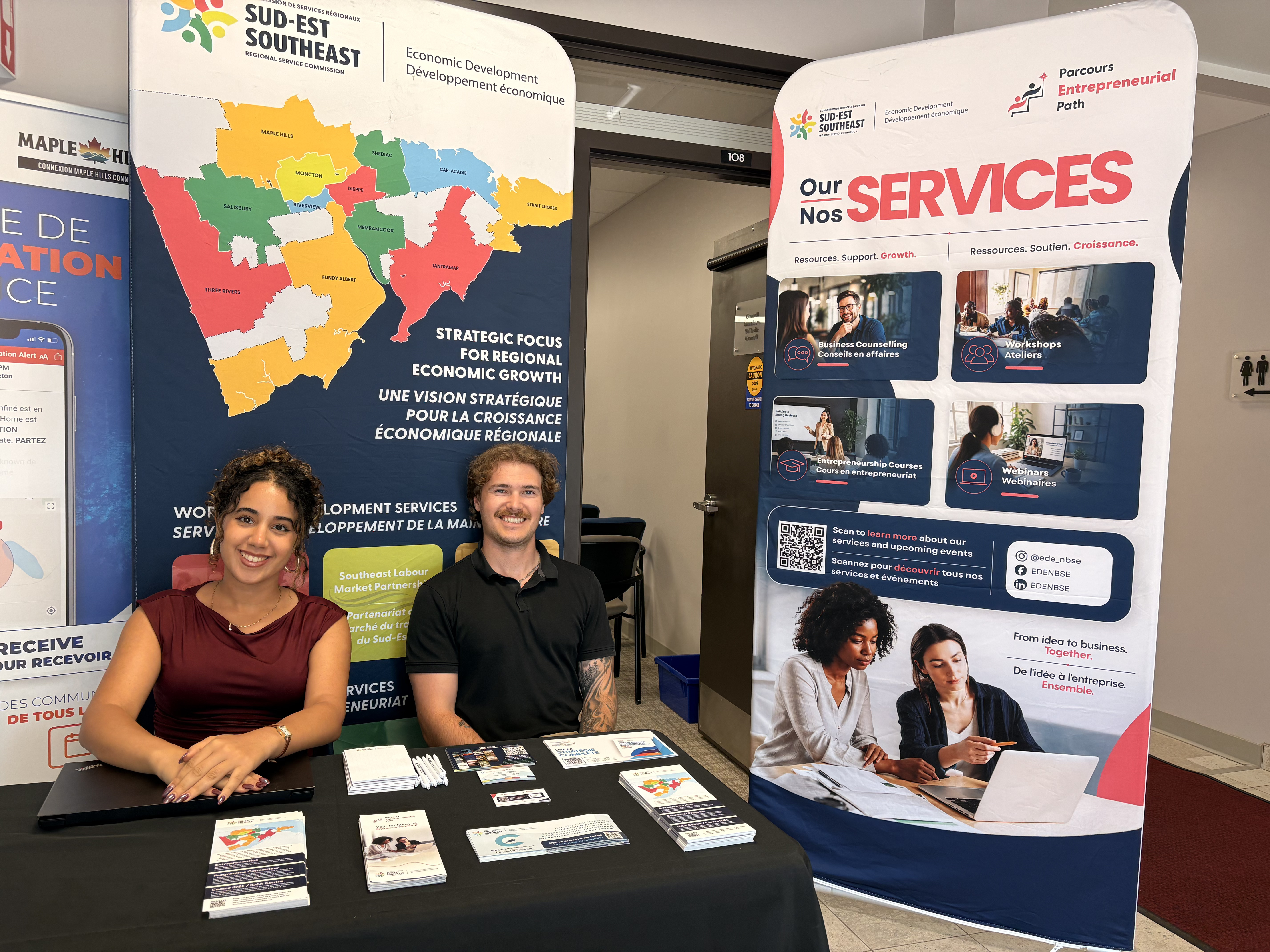
On the heels of this beneficial wave of newcomers, the Southeast RSC is developing its mandate to support immigration even more as an economic catalyst through the Southeast Local Immigration Partnership (SELIP). The development of the SELIP marks a shift from an urban-focused immigration partnership model to a regional coordination framework that serves the entire Southeast region.
Local Immigration Partnerships are federally funded community coordination mechanisms supported by Immigration, Refugees and Citizenship Canada (IRCC) that help foster the successful integration and retention of newcomers at the community level.
From 2015 until January of this year, IRCC held a partnership agreement with the City of Moncton. Under that agreement, the Greater Moncton Local Immigration Partnership brought together stakeholders to build a strategy to attract, integrate and retain newcomers in the Greater Moncton area.
Under local government reform, Regional Service Commissions were given a regional coordination and convening role, bringing together organizations that deliver newcomer services to strengthen collaboration, develop a shared regional vision and improve long-term outcomes in newcomer retention, demographic growth, workforce development and entrepreneurship. That led to the transfer of the existing three-year agreement with IRCC from the City of Moncton to the Southeast RSC, with a new scope that covers the entire region.
A regional approach to newcomer attraction and retention
With that change in geography comes a need for a new regional strategy. Since January, the SELIP -- which is housed as a unit within the Southeast RSC’s economic development department -- has been at work putting the building blocks in place for that strategy.
One of the first steps was to integrate the LIP's staff into the Southeast RSC. Erika Cantu has now settled into the role of Southeast Local Immigration Partnership Manager. The SELIP also hired Majdouline Lagrine as a coordinator to work with Cantu. The team completed a final report before the transition that showed 63 of 75 action plans in the last strategy were completed. The SELIP then updated its terms of reference in June to reflect the new regional reality, and the next step will be to create a new strategy.
A request for proposals for a Place-Based Regional Immigration Strategy closed on July 3 and an evaluation committee will now assess the proposals received. The project award for the strategy is expected this fall, and a new strategy is anticipated to be in place six to eight months after that.
Building the next five-year strategy
The new five-year strategy will build on the success of two previous LIP strategies launched in 2014. Under those strategies, immigration to Greater Moncton grew by record numbers and retention numbers climbed.
According to an analysis conducted by the Southeast RSC, 49 per cent of all immigrants to New Brunswick settled in the Southeast Region in 2024-2025. The one-year retention rate is 64 per cent and the three-year rate is 56 per cent.
Cantu is looking forward to the new strategy, which will provide a roadmap for the new SELIP.
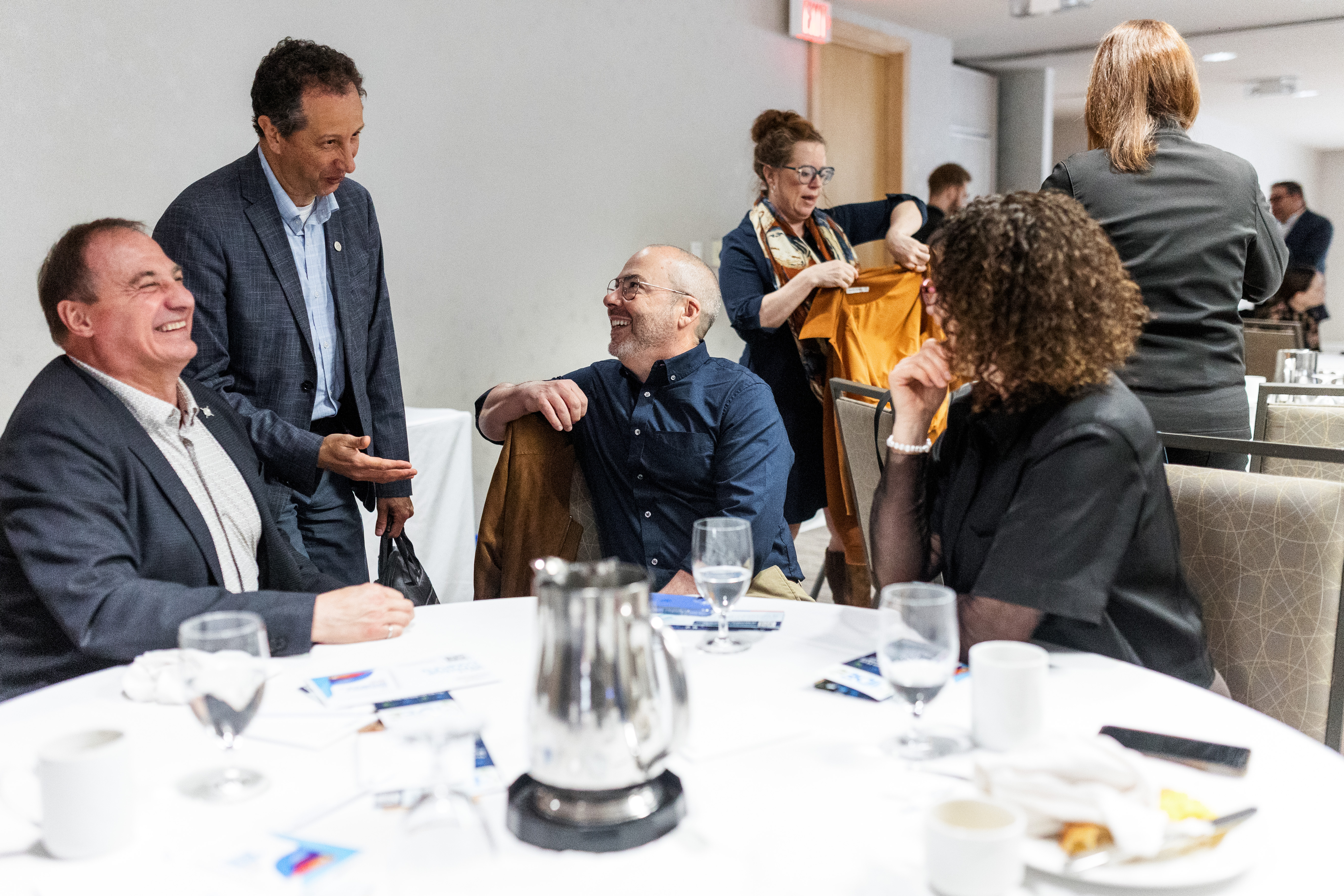
“The goal of the LIP is to avoid duplication and to fill the gaps,” Cantu explained. “Where are the gaps on a regional level, how can we fill them, and what things have already happened that we can build on to work together? I think the strategy is going to help us see the whole picture, the whole ecosystem.”
Immigration as an economic driver
This regional approach also aligns with the Province of New Brunswick’s economic development priorities, where workforce development, labour market readiness and newcomer retention are recognized as key drivers of long-term economic growth.
This new regional focus on immigration marks a change from previous LIP work. There will need to be actions that focus on both urban and rural needs, anglophone and francophone communities, and bilingual communities.
Francesco Calazzo, general manager of economic development for the Southeast RSC, says the new strategy will need to reflect all these diverse needs. It will be especially beneficial to rural regions that do not have the resources to focus on immigration.
“Now you will need an immigration strategy that speaks to the needs of places like Cap-Acadie and Shediac, working perhaps in seafood processing plants. Or Fundy Albert with tourism or the Salisbury area with the milk industry. It’s a fundamentally different immigration experience from the urban centres,” Calazzo says.
He noted the Southeast RSC conducted a cost-benefit analysis of immigrant retention which shows the “net value” of keeping newcomers here. According to that analysis, there is an estimated $60,000 contribution per retained immigrant.
“We have the advantage of knowing this is not just a good deed, but it’s a good economic undertaking that we are happy to have in-house.”
The economic development division of the Southeast RSC already provides entrepreneurship and labour market services, so there is value to having immigration grouped alongside those responsibilities.
“We want immigration to be seen through the lens of economic development,” Calazzo stressed. “Immigration is one of the most immediate economic development impacts on the region. We know it and it’s been reinforced by independent studies.”
Looking ahead
The new SELIP will not provide direct attraction or settlement services. It doesn’t have jurisdiction over visas or any role with refugees. There are frontline agencies such as the Multicultural Agency of the Greater Moncton Area (MAGMA), le Centre d’accueil et d’accompagnement francophone des immigrants (CAFi), and the New Brunswick Refugee Clinic, which offer those services.
The SELIP, Cantu explains, is more of a consultation table. “We work more behind the scenes, supporting those agencies, providing the tools and strategy and ensuring any gaps are filled.”
While one- and three-year immigrant retention rates continue to trend upward, Calazzo says it is important the next strategy also focus on 10-year retention numbers, which have remained relatively unchanged. He is confident the new strategy will include a longer-term retention analysis for the region.
The expiring strategy had four working groups: settlement and inclusion, international student attraction and professional integration, labour market and attraction, and entrepreneurship. Cantu says it’s too early to predict what framework the new strategy may propose, but there will always be a need for settlement and inclusion. The strategy will likely build on a separate francophone attraction and settlement committee.
“We have a bilingual mandate as an RSC, working in a bilingual region. We need to support anglophone immigration, francophone immigration, and be responsive to their specific needs,” Calazzo stresses.
Both Calazzo and Cantu are excited about the prospect of creating a new five-year strategy that will build on the Southeast’s already-enviable immigration record.
“Our immigration mandate is starting to crystallize and it’s gaining momentum with the RFP for the strategy,” Calazzo said. “We now have a manager, a coordinator, greater focus, and updated terms of reference. All the building blocks are now in place. The next regional strategy will provide a shared framework to help municipalities, employers, educational institutions, settlement organizations and governments work together toward common immigration objectives over the coming years.”