


Stay informed on the latest news, announcements, and initiatives from the Southeast Regional Service Commission
09 July 2026
Are You Sorting Your Waste Correctly? Understanding waste contamination in Southeast New Brunswick
The hidden impact of waste contamination
Most of us already recycle, compost, and try to reduce the amount of waste we send to landfill. What many of us don't realize, however, is that sorting our waste correctly is just as important as both recycling and composting.
Proper waste sorting helps ensure that recyclable materials can be recovered, organic waste can be composted, and garbage is managed safely and responsibly. It also helps protect workers, reduce contamination, improve processing efficiency, and support a cleaner, more sustainable Southeast New Brunswick.
In other words, what goes into each bag matters.
What is waste contamination?
Waste contamination occurs when items are placed in the wrong stream. This can include food waste in a recycling bag, batteries in household garbage, or materials that are not accepted in curbside recycling.
At first glance, these mistakes may seem minor. However, when materials are mixed incorrectly, they can contaminate otherwise recyclable or compostable items, making them more difficult or sometimes impossible to recover.
While sorting waste may feel like a small task at home, it plays a significant role in the overall waste management system. The choices we make each week help determine whether materials are successfully diverted from landfill.
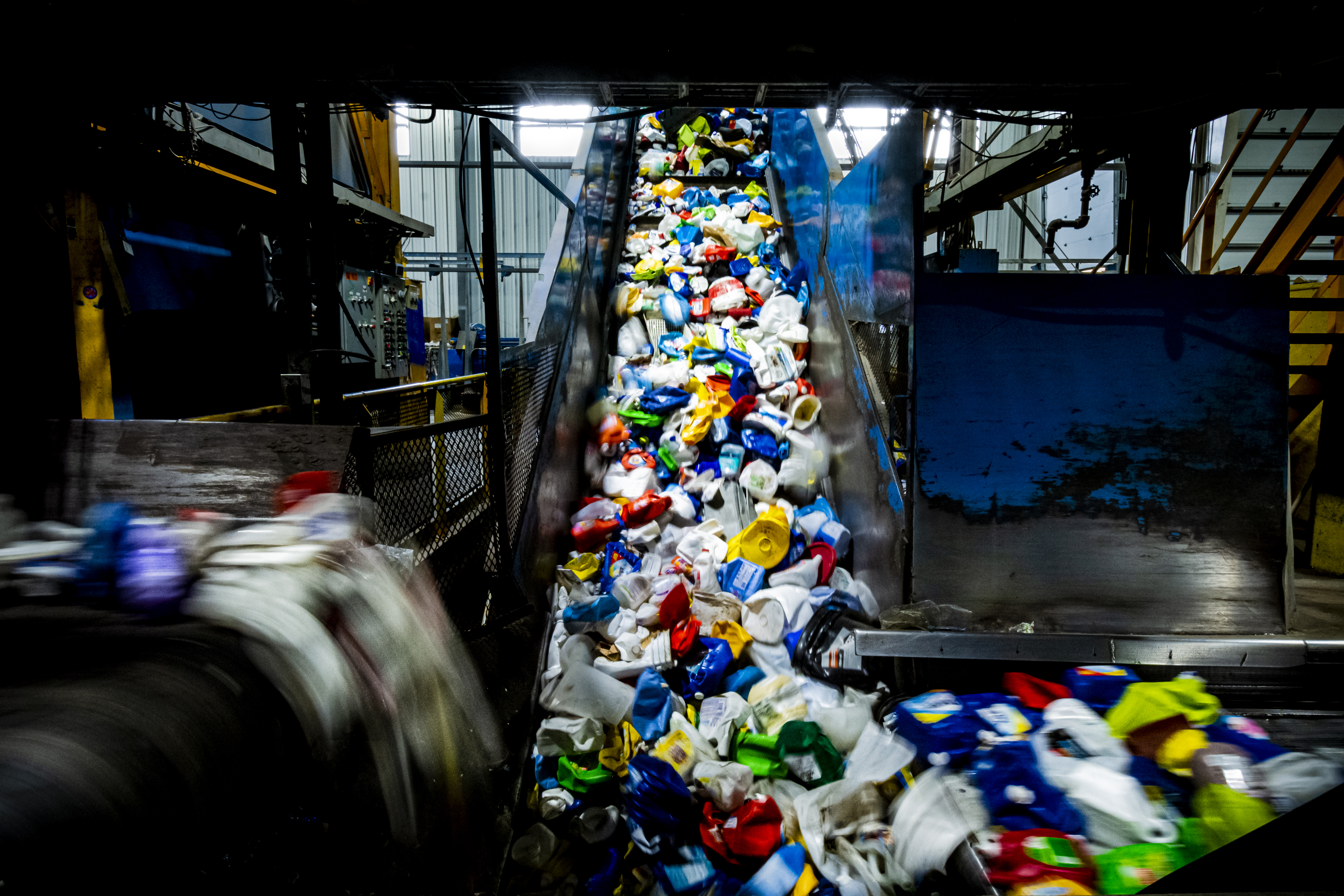
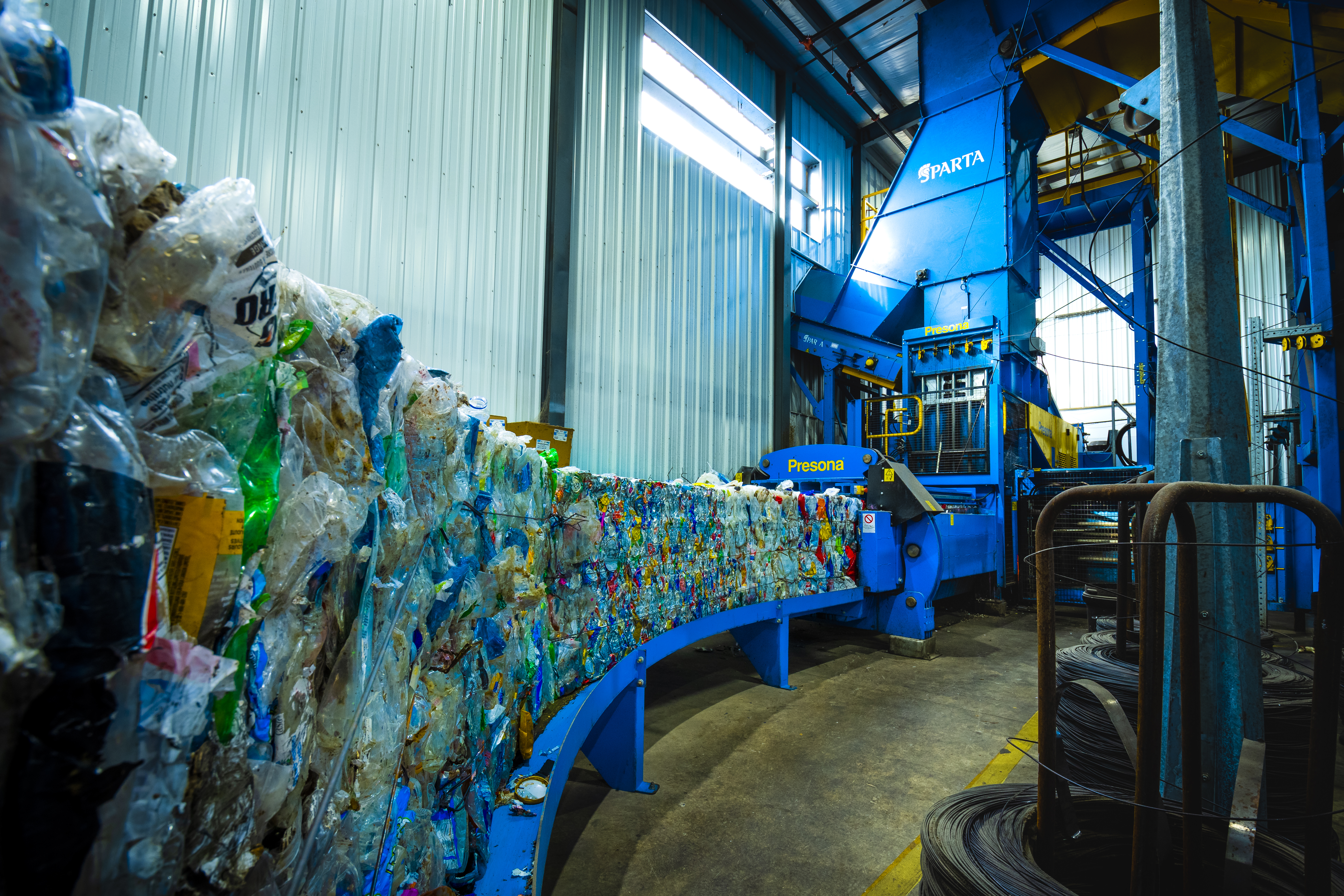
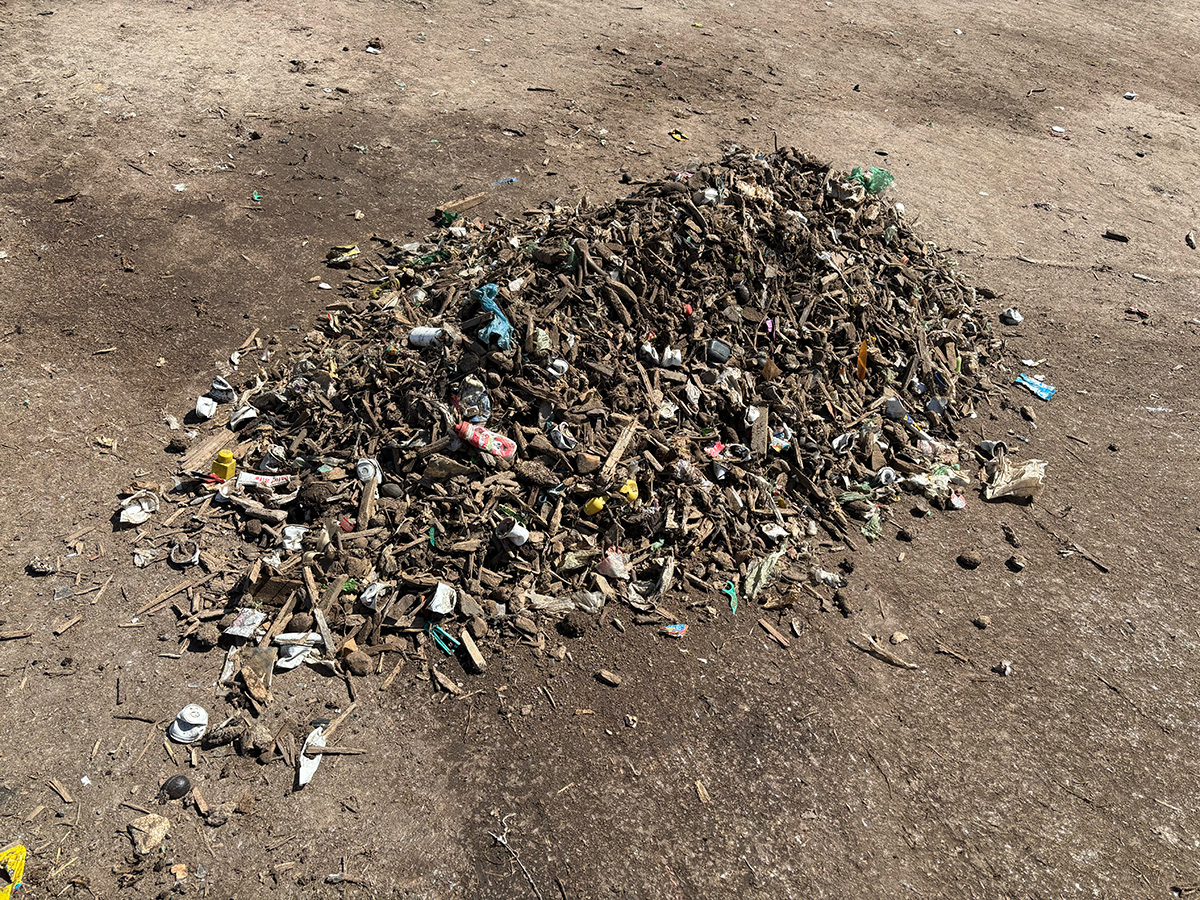
It is important to note that blue bags are sent directly to our recycling facility for processing, green bags are sent to our compost facility, and clear bags are sent to landfill for disposal. Because each stream is managed separately, placing materials in the correct bag is essential to ensure they are processed properly.
Why recycling quality depends on sorting
Recycling works best when materials are clean, dry, empty, and accepted in the recycling program.
When recycling bags contain food residue, liquids, garbage, hazardous materials, or other non-accepted items, the quality of recyclable materials decreases. In some cases, contaminated materials require additional handling or cannot be recycled at all.
Wishcycling: when good intentions create contamination
One common cause of recycling contamination is wishcycling. Wishcycling is the practice of placing an item in the recycling bag because you hope it can be recycled, even though you're not sure. People often do this with good intentions, but it can contaminate recyclable materials, increase processing costs, damage sorting equipment, and cause otherwise recyclable materials to be rejected.
For example, someone may place a half-full jar of expired peanut butter in the recycling bin without emptying it first, assuming it will be cleaned at the recycling facility. Instead, the leftover food can contaminate other recyclable materials, making them more difficult to recycle.
Another common example is placing items such as garden hoses or plastic toys in the recycling bin simply because they are made of plastic. Although these items may seem recyclable, they are not accepted in the curbside recycling programs. They can wrap around sorting equipment, causing delays, equipment damage, and costly repairs.
The best way to avoid wishcycling is simple: when in doubt, check the current sorting guidelines before placing an item in your recycling bag.
Ultimately, recycling is about more than collection. It is about recovering valuable materials so they can be used again. Proper sorting helps preserve the value of those materials and supports a more effective recycling system.
We can all help by rinsing containers, flattening cardboard, keeping materials dry, and checking current sorting guidelines when we are unsure where something belongs.
Safety matters too
Proper sorting is not only an environmental issue; it is also a safety issue.
Certain materials should never be placed in regular garbage, compost or recycling because they can pose safety hazards during collection, transportation, or processing. These include batteries, sharps (needles and syringes), chemicals, paint, electronics, propane tanks, and other hazardous materials, all of which require special handling.
Batteries pose one of the greatest safety risks in the waste stream. When damaged or compressed, they can start fires that endanger collection crews, processing facility staff, damage equipment, and, in some cases, threaten nearby communities.
By using approved collection programs and Mobile Eco-Depot services for these materials, we help keep both people and infrastructure safe.
The cost of sorting mistakes
Incorrect sorting also creates additional costs throughout the waste management system.
When materials become contaminated, more time and resources are needed to separate, handle, or dispose of them. Equipment can be damaged, processing can be delayed, and materials that could have been recycled or composted may end up in landfill instead.
These additional costs affect the efficiency of the entire system.
Proper sorting supports better material recovery, reduces unnecessary handling, and helps extend the lifespan of landfill facilities.
Organics belong in the green stream
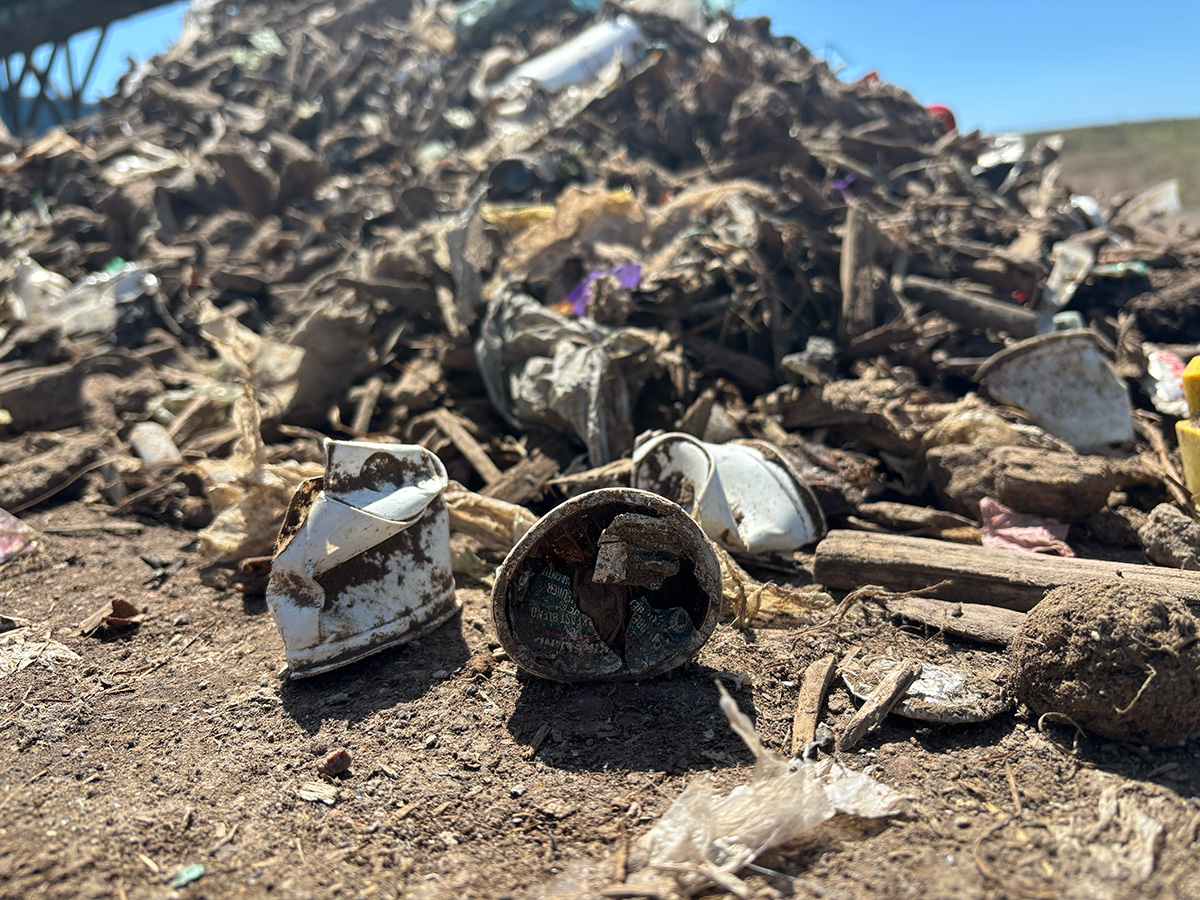
One of the most effective ways to reduce the amount of waste sent to landfill is by properly sorting organic materials. Food scraps, yard waste, and certain paper products can often be composted instead of being discarded as garbage. When sorted correctly, these materials can be transformed into nutrient-rich compost and returned to productive use.
Common organic materials include:
Fruit and vegetable scraps
Coffee grounds
Tea bags
Yard waste
Paper towels and napkins
Keeping organics separate from garbage helps reduce odours, improve compost quality, and support stronger waste diversion results across the region.
Not everything belongs at the curb
Some materials require specialized disposal options.
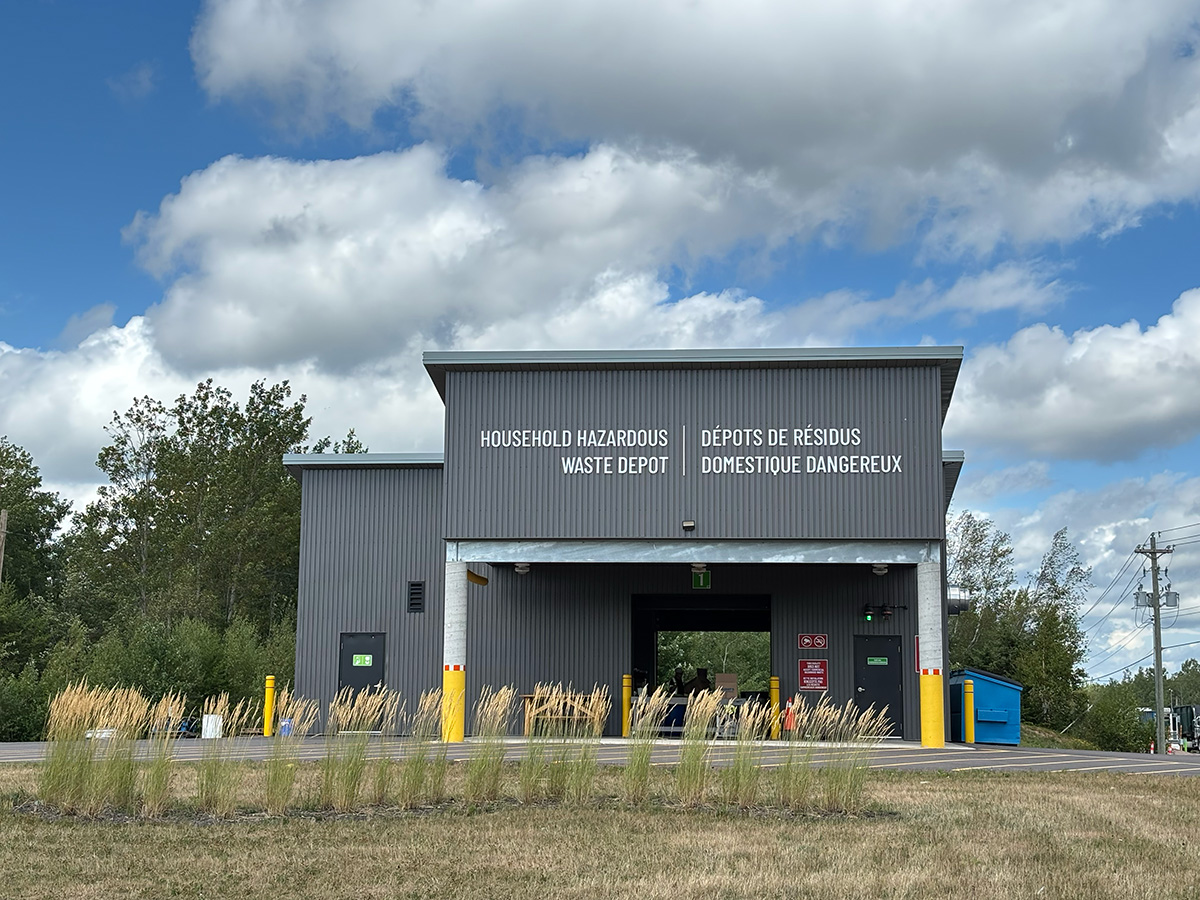
Items such as batteries, electronics, paint, household chemicals, tires, and bulky household items should be taken to designated collection programs or Mobile Eco-Depot events.
Using the appropriate disposal option helps prevent hazardous materials from entering regular waste streams and ensures they are managed safely and responsibly.
When we take the time to dispose of these items correctly, we help protect both the environment and the people who work within the waste management system.
Simple ways to sort better at home
Proper sorting does not have to be complicated. A few simple habits can make a meaningful difference:
Keep separate containers for garbage, recycling, and organics.
Rinse food containers before recycling them.
Keep paper and cardboard clean and dry.
Flatten cardboard boxes to save space.
Keep batteries, sharps, paint, chemicals, and electronics out of curbside bags (blue, green, and clear).
Use Mobile Eco-Depot services, or other approved locations, for materials that do not belong in regular collection.
When in doubt, it is always worth taking a moment to check.
A small action with a regional impact
Waste sorting starts at home, but its impact extends far beyond our front doors.
Every properly sorted bag helps improve recycling quality, support composting programs, enhance worker safety, and strengthen waste diversion efforts across Southeast New Brunswick.
The good news is that making a difference does not require major changes. By taking a few extra seconds to sort materials correctly, we can all contribute to a cleaner environment, more efficient waste services, and a more sustainable future for our communities.
To learn more about sorting guidelines, recycling programs, Mobile Eco-Depot services, and waste collection information, visit Eco360.ca.

09 July 2026
Climate Change: How Southeast New Brunswick is building resilience
Climate change is now part of our reality. Across Southeast New Brunswick, we are already experiencing its effects: heavier rainfall, more frequent heat waves, stronger storms, and coastal erosion are placing increasing pressure on our infrastructure, services, and natural environments.
Whether you live in Moncton, Dieppe, Riverview, Shediac, Cap-Acadie, or one of the region's many rural communities, these changes are having an increasing impact on our daily lives.
Faced with this reality, driven largely by decades of human activity, the province, municipalities, regional organizations, and residents are working together to build stronger, more resilient communities that are better prepared to meet the challenges of tomorrow.
What is climate change adaptation?
Climate change adaptation involves taking action to reduce the risks associated with current and future climate impacts. In practice, it means planning today to protect people, property, natural environments, and the things that matter most to our communities.
This can include:
Protecting coastal areas from erosion;
Improving stormwater management systems;
Planting trees and expanding green spaces;
Preserving natural environments;
Strengthening public infrastructure;
Enhancing emergency preparedness.
Community resilience refers to a community's ability to anticipate, adapt to, and recover from disruptions, particularly those caused by extreme weather events.

An overview of climate change in Southeast New Brunswick
Like communities across Canada and around the world, those in Southeast New Brunswick face a variety of climate-related challenges. Heavy rainfall events are increasing the risk of flooding and placing additional pressure on stormwater drainage systems. Coastal communities must also contend with shoreline erosion and the impacts of coastal storms.
More frequent heat waves are also affecting the health and well-being of residents. Together, these challenges are placing increasing pressure on roads, municipal infrastructure, businesses, public spaces, and the essential services we rely on every day.
Climate projections indicate that Southeast New Brunswick will experience higher temperatures, more intense precipitation events, rising sea levels, and an increased risk of coastal flooding over the coming decades. Planning today will help reduce future risks and costs while strengthening the resilience of our communities.
To better understand the climate-related challenges facing our region and the adaptation solutions available to our communities, we spoke with Brittany Cormier, Executive Director of EOS Eco-Energy, who agreed to answer our questions.
What are the main climate-related challenges facing communities in our region?
"Communities across Southeast New Brunswick are facing increasingly frequent extreme weather events, including flooding, extreme heat, and growing health risks associated with climate change.
Coastal and inland flooding threaten homes, infrastructure, and emergency access routes, particularly in low-lying communities near the Bay of Fundy. At the same time, preparing for extreme heat is becoming increasingly important as temperatures continue to rise.
And regardless of how people feel about climate adaptation, one thing we can all agree on is that ticks have become part of everyday life. Preventing tick-borne illnesses in both people and animals has become another challenge our communities must prepare for."
How can an adaptation plan help municipalities better anticipate climate-related challenges?
"Adaptation planning helps municipalities anticipate risks rather than react to them after they occur. It provides elected officials, municipal staff, organizations, and residents with practical information and concrete actions that everyone can take.
An adaptation plan is like putting on a lifejacket before you need the lifeboat."

What does climate resilience look like in our region?
Climate change adaptation is already well underway across Southeast New Brunswick. Municipalities, environmental organizations, provincial and regional partners are working together to better understand climate risks, protect infrastructure and natural environments, and prepare communities for the challenges ahead.
Heavy rainfalls are becoming more frequent in many communities throughout the region. To reduce the risk of flooding, municipalities are investing in improved stormwater infrastructure as well as nature-based solutions, such as protecting wetlands and expanding green spaces. These natural areas play a vital role in absorbing rainfall and reducing the impacts of extreme weather events.
Southeast New Brunswick's coastline is one of the region's greatest assets. However, coastal erosion and storms present growing challenges for many communities. Protecting dunes, coastal marshes, forests, and wetlands not only helps preserve biodiversity but also strengthens community resilience to the impacts of climate change.
Roads, bridges, community facilities, and public service networks must now be designed to withstand increasingly variable weather conditions. As a result, many municipalities throughout the region are integrating climate risks into their planning and development processes.
The City of Moncton recently adopted a Climate Change Adaptation Plan to identify the community's key climate risks and implement measures to better protect infrastructure, essential services, and residents.
Meanwhile, the Municipality of Tantramar has been advancing climate change adaptation and sustainability initiatives for several years. These include implementing its Climate Change Adaptation Plan, developing the Tantramar 2040 Sustainability Plan, establishing a Climate Change Advisory Committee, and partnering with organizations such as EOS Eco-Energy to better understand climate risks and strengthen community resilience.
Regional collaboration at the heart of the solution
The impacts of climate change do not stop at municipal boundaries. Watersheds, transportation networks, and regional infrastructure connect communities throughout the region. Addressing these challenges requires close collaboration among municipalities, regional organizations, governments, Indigenous communities, non-profit organizations, businesses, and residents.
As Brittany Cormier explains, adaptation is an ongoing process built on meaningful collaboration.
"Everything we do in the area of adaptation moves us forward, but it is important to recognize that adaptation is an ongoing process. Meaningful engagement takes time, and no one should be left behind. It is important to engage key stakeholders early, including Indigenous communities, to support better decisions and stronger outcomes."
Cormier also emphasizes that nature must remain at the heart of the solution.
"Nature-based solutions and resilient natural assets are essential components of effective adaptation planning."
The Southeast RSC supports this work through regional planning, knowledge sharing, and initiatives that promote climate resilience across the region. This collaborative approach helps identify solutions tailored to local realities while strengthening our collective ability to respond to future challenges.
We all have a role to play
Building resilient communities is a shared responsibility. Each of us can help strengthen our region’s resilience by taking simple actions:
Prepare an emergency kit and a family emergency plan;
Learn about the climate risks facing your community;
Protect your property from flooding and storm damage;
Participate in local community initiatives;
Plant trees and native vegetation;
Support environmental projects throughout the region.
While these actions may seem small, together they help strengthen our communities' ability to adapt to climate change.
Looking ahead
Climate change will continue to shape our region in the decades ahead. However, through adaptation, regional collaboration, and collective action, we can reduce risks and better protect people, infrastructure, and natural environments.
By planning today, investing in nature-based solutions, and working together, we can build a stronger, safer, and more resilient Southeast New Brunswick for generations to come.
Learn more
To learn more about climate change, adaptation measures, and initiatives underway in our region:


