
Stay informed on the latest news, announcements, and initiatives from the Southeast Regional Service Commission
15 July 2026
Southeast RSC unveils roadmap for regional tourism growth
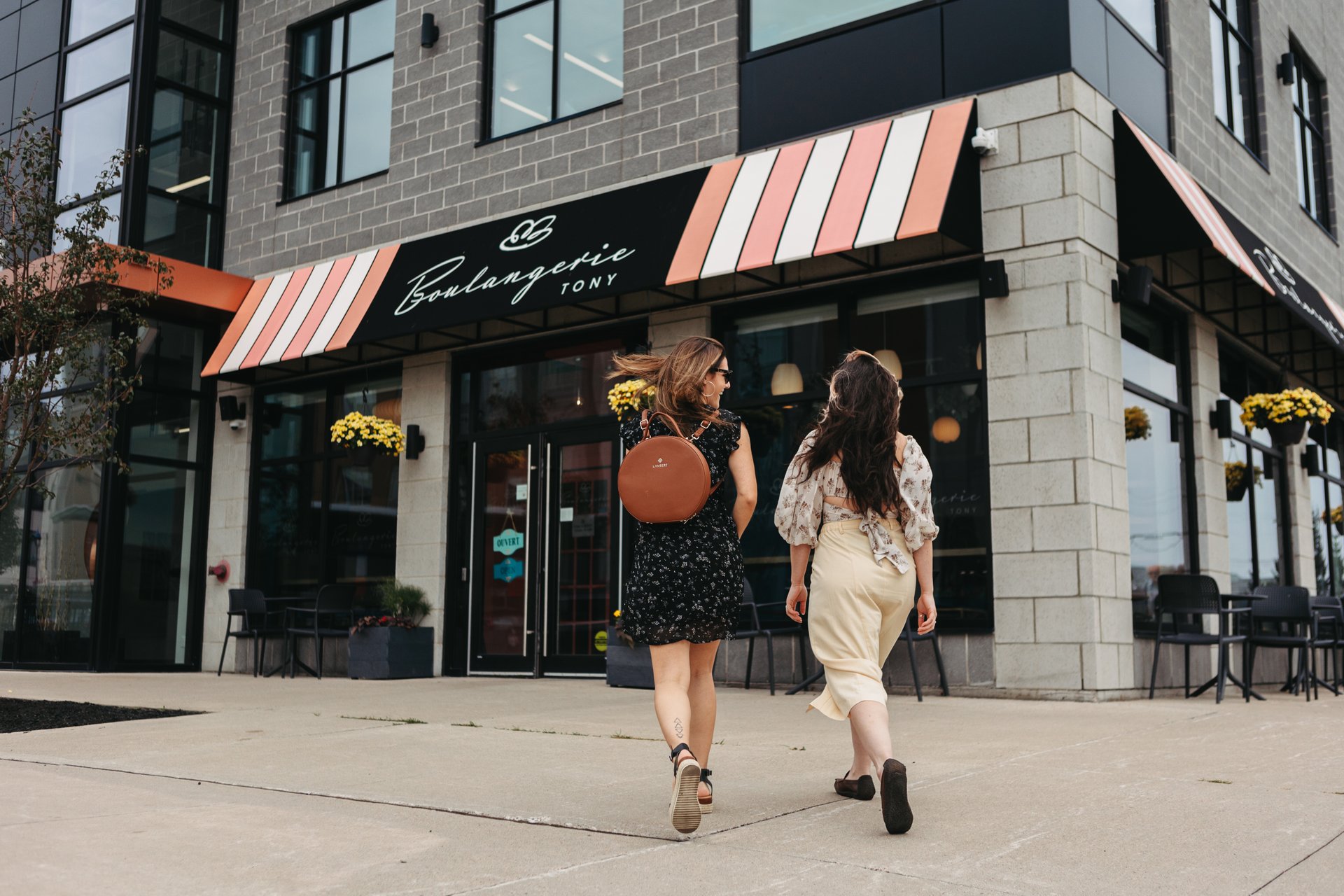
Southeast New Brunswick is home to world-class tourism attractions, from two distinct coastlines to vibrant urban centres, rural communities, festivals, and authentic Acadian and Maritime experiences. Combined with the region's bilingual hospitality, these assets make Southeast New Brunswick one of the province's premier tourism destinations.
Representing more than 40 per cent of New Brunswick's tourism revenue, the Southeast is already a key driver of the province's visitor economy. To build on this success, the Southeast Regional Service Commission (Southeast RSC) has completed the Regional Tourism Opportunity Development Analysis and Strategy, a plan designed to support sustainable economic growth and strengthen tourism products and experiences across the region.
"Developing this strategy marks an important milestone in our region's tourism journey," said Marc Landry, Director of Regional Projects for the Southeast RSC. "But its true value will be realized through implementation."
A strategy informed by research and community input
The strategy was developed through extensive research, stakeholder engagement, industry consultation, and a regional resident survey.
The findings demonstrate strong community support for tourism, with 89 per cent of surveyed residents supporting continued tourism growth and promotion. Residents identified tourism's positive contributions to the local economy, entertainment opportunities, and overall quality of life.
Research conducted as part of the analysis also highlighted the region's diverse tourism assets, including cultural attractions, outdoor recreation, festivals, heritage sites, and coastal experiences.
A strategy for sustainable tourism growth
The report outlines several key priorities, including 42 actions aimed at expanding four-season tourism opportunities, supporting the development of new tourism products and experiences, strengthening collaboration among regional partners, identifying opportunities for infrastructure and investment improvements, and enhancing communication with residents about the benefits of tourism.
The report identifies four strategic priorities:
Serve as the central advocate and source for the regional visitor economy;
Support the development of tourism products and services;
Be the central source for research, data monitoring, and analysis;
Promote and provide stewardship for tourism sustainability.
Key target markets identified in the strategy include Quebec, Ontario, the rest of the Maritimes, and travellers within New Brunswick.
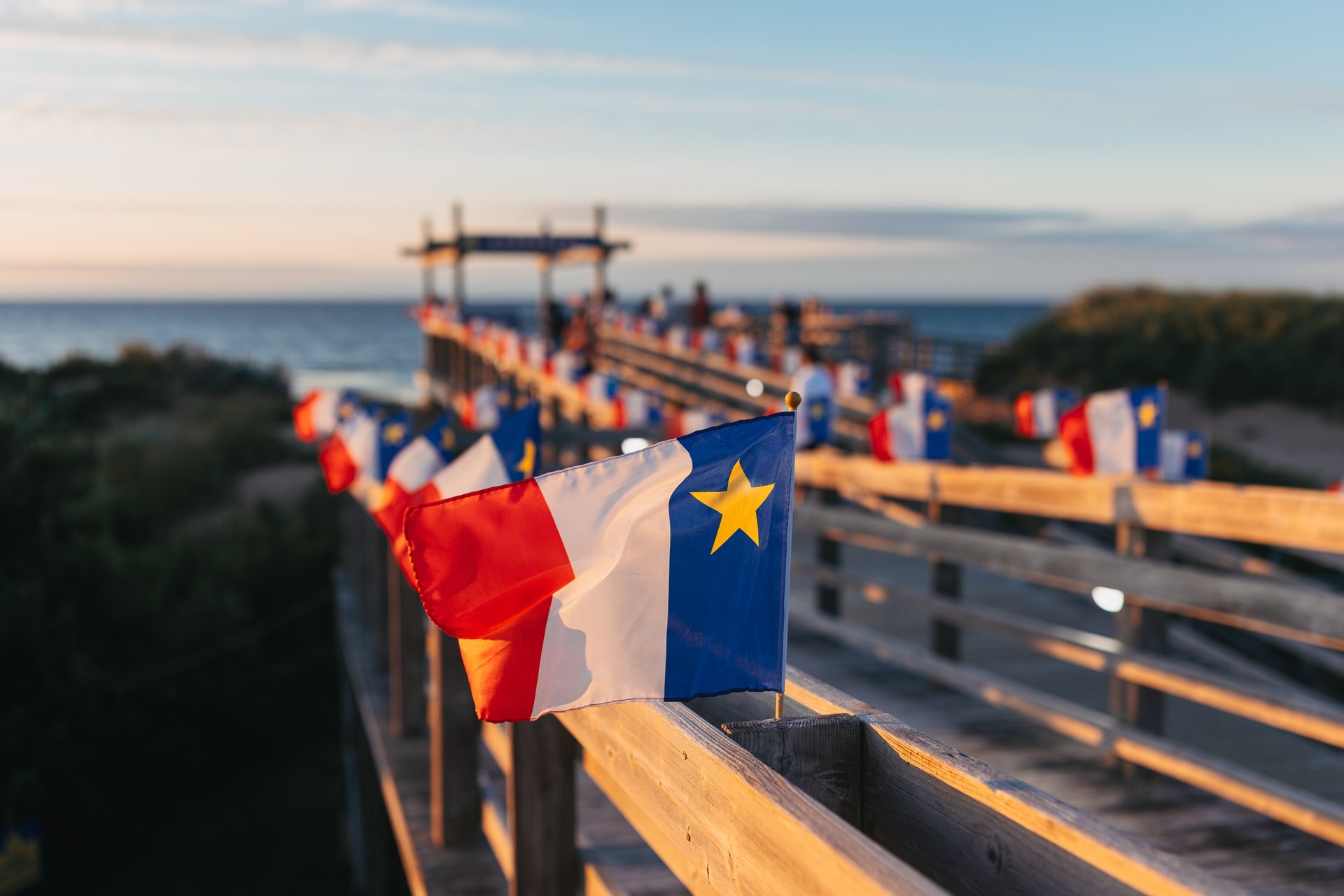
The strategy also highlights the region's defining tourism experiences, including Acadian culture, Maritime culture, seafood experiences, the Bay of Fundy, and warm-water beaches during the summer season.
Sustainability at the heart of the strategy
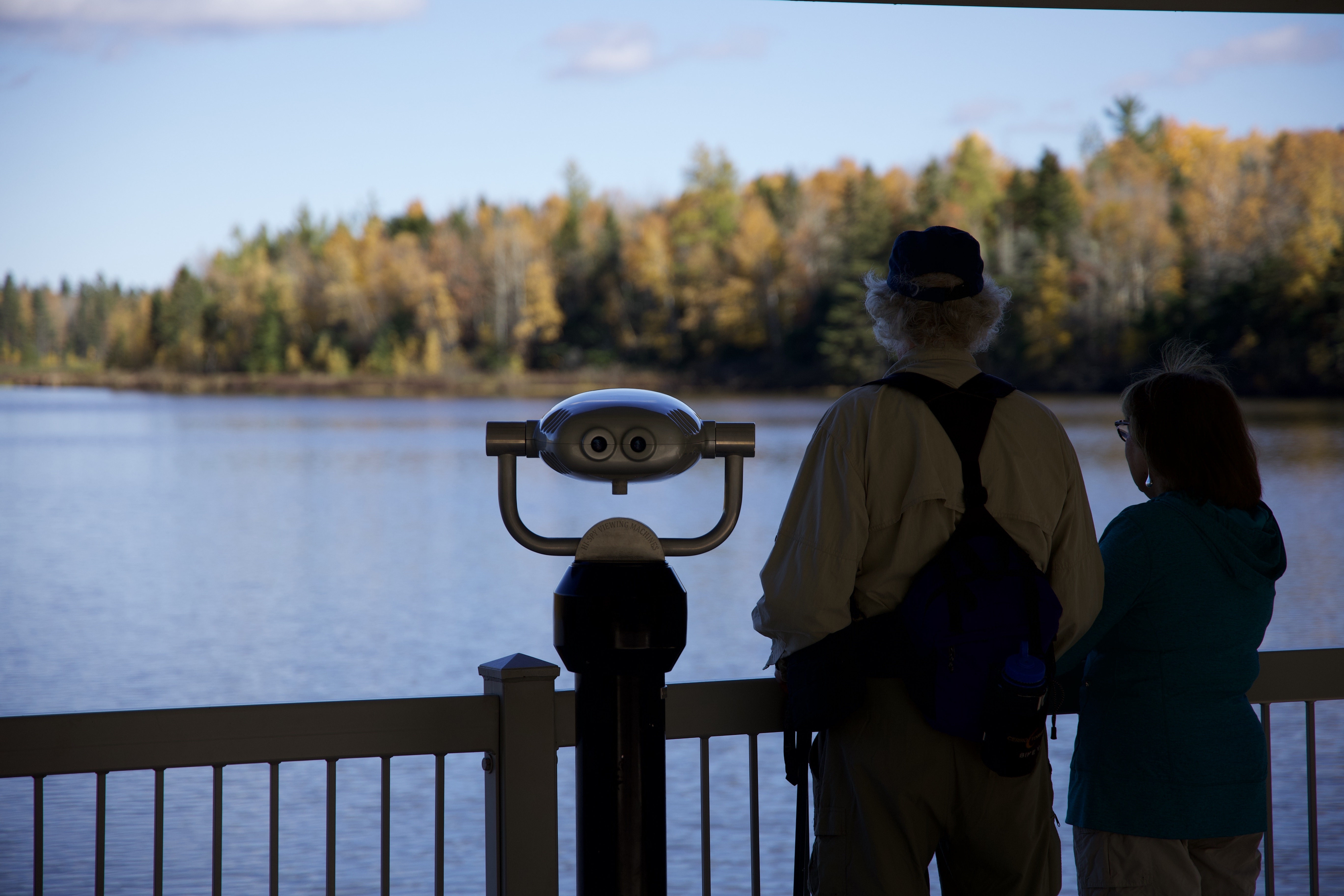
Sustainability is a central component of the strategy. The Southeast RSC will work with tourism stakeholders to develop and implement initiatives aligned with provincial priorities and the United Nations Sustainable Development Goals. These efforts will help ensure tourism growth balances economic opportunities with environmental stewardship and the interests of local communities.
In addition to identifying opportunities to attract more visitors, the strategy provides a framework to increase year-round visitation and encourage longer stays by enhancing tourism experiences and strengthening regional collaboration.
Working together to strengthen the visitor economy
Landry said a key element of the strategy is collaboration with tourism organizations and partners throughout the region, including Destination Sud-Est, Destination Moncton-Dieppe, Fundy Tourism/Albert County Tourism Association, Friends of Fundy, municipalities, and tourism operators.
"By working together, we can leverage the region's unique strengths, expand four-season tourism opportunities, and build a more resilient visitor economy that creates lasting benefits for communities across Southeast New Brunswick," he said.
Over the coming years, the Southeast RSC will work closely with municipalities, tourism organizations, operators, and community partners to advance the priorities identified in the strategy.
"Our goal is to further position Southeast New Brunswick as a vibrant, sustainable, and welcoming destination 365 days a year, while delivering lasting benefits for residents, local businesses, and communities across the region."
09 July 2026
Regional Trail Network to connect communities across Southeast New Brunswick
Momentum is building on a unique regional trail project in Southeast New Brunswick that will link communities and provide an economic and active lifestyle boost to the entire region.
The Regional Trail Network is an initiative of the Southeast RSC. The project was officially approved in 2025 by the Commission’s Board of Directors, which is composed of the mayors of the region’s 12 municipalities and a representative from the Southeast Rural District.
Since then, planning for the 150 km first phase has progressed, along with the development of marketing and fundraising campaigns to support its completion by 2030.
For Marc Leger, trails coordinator for the Southeast RSC, the regional trail network is a long-held dream that he now sees coming together.
“I love trails, but I love trails because of what they can do and who they can serve,” Leger says. “They serve a wide swath of people. Anybody can use them. You don’t need equipment. You can make them accessible. They are low-cost. They promote healthy living. They are all those things and they tie into everything.”
Connecting Communities Across the Region
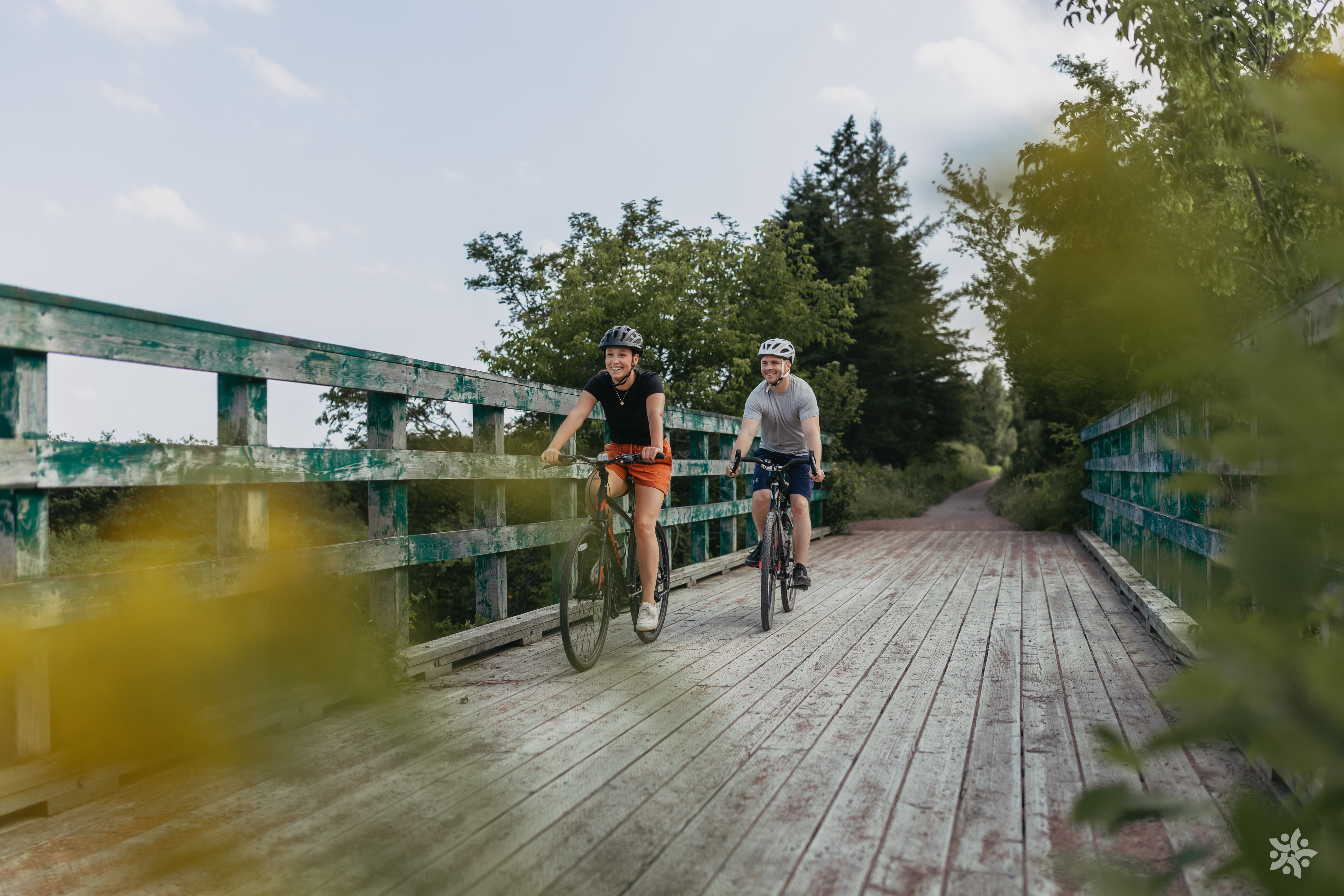
The regional trail is a great example of infrastructure cost-sharing, one of the mandates of the Regional Service Commissions. The trail network will ultimately deliver 321 km of biking and walking trails, designed to serve residents and visitors of all ages, incomes, and abilities.
Spanning urban and rural areas, the network will link every municipality in the region – from Fundy National Park to Parlee and Aboiteau beaches, from the Confederation Bridge to Three Rivers. It will provide inclusive access to recreation, active transportation, and tourism opportunities.
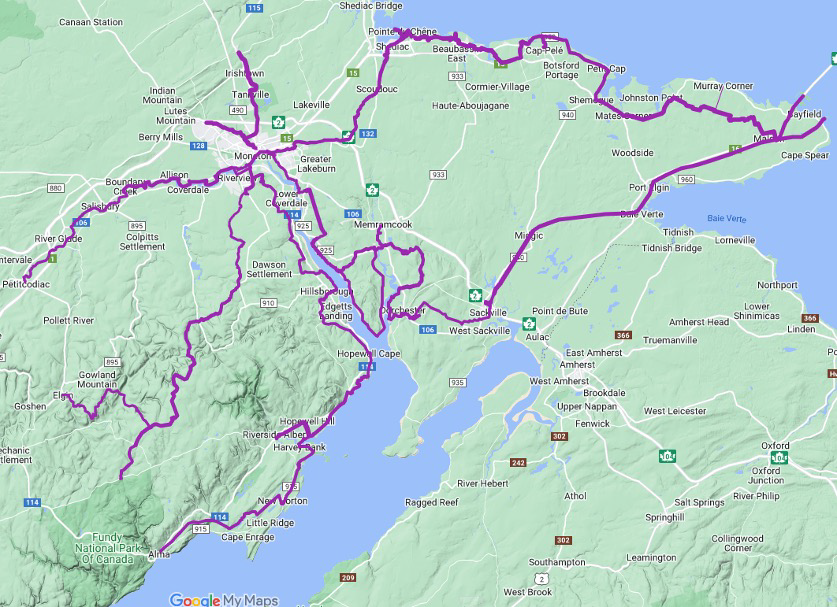
Phase 1 will connect Fundy National Park through the tri-communities of Moncton, Riverview, and Dieppe to Shediac and Cap-Acadie. It is expected to be completed by 2030 at an estimated cost of $27 million. The priority will be the Dieppe-to-Shediac segment because of its strong potential for both active transportation and tourism. This phase also includes a major piece of infrastructure: a new trail bridge spanning the Scoudouc River. Nearly 40 per cent of Phase 1 is already complete through the connection of new trail segments with existing trails developed by municipalities and other organizations.
Phase 2 will add another 151 km to the trail network to connect all remaining municipalities and existing trails. Final design of each segment will include community consultation to ensure appropriate alignment with local needs and existing assets. Phase 2 is estimated for completion by 2035 at an additional cost of $18 million.
Leger says the regional trail network will have several benefits. It will have universal access with trails open year-round for users of all mobility levels. A key guiding principle is community integration, with existing informal and unsanctioned trails integrated, maximizing efficiency, connectivity, and lowering costs.
More than a Trail
While the trail will be a significant achievement and piece of regional infrastructure, Leger says there is more to the project.
“I always say that the trail is not the product. The trail is the infrastructure. The product is nature; the product is experience; the product is a restaurant; the product is a service. The product is what attaches itself to the trail.”
The entire network will emphasize safety, providing alternatives to road traffic for schools and parks. One example is a section that will connect Maple Hills to Irishtown Nature Park through the Moncton High School corridor.
Leger said the project will focus on equity and inclusion. It will offer recreational infrastructure to underserved populations. Unlike motorized trails, these trails will be accessible to a broader range of users.
Funding the Vision
The fundraising strategy is still being developed, but the cost-sharing is expected to be one-third federal, one-third provincial, and one-third from the Southeast RSC. The Southeast RSC portion will include some of its own funding and a major corporate/public fundraising campaign that will be launched in the fall of 2026. That’s when a name for the trail network will be unveiled following a series of focus group sessions. The proposed name will also be reviewed by the Southeast RSC Board.
The name will be important from both a marketing and sense-of-place perspective, Leger says. “It will have to be something that encapsulates the experience and our diversity,” he says.
“The nature of our trail is that it is really diverse. The landscape changes constantly – it’s shoreline, it’s interior, it’s urban-rural, it’s coastline to opposite coastline that have very little in common. It’s urban, rural, suburban . . . it’s all those things.”
Annual maintenance costs are estimated at approximately $100,000 per year for the entire network. The annual cost per resident is estimated at just $2 to $3, covering planning, construction, maintenance, and fundraising.
A Regional Investment in the Future
Leger says the regional trail network matters for several reasons. It will give residents in every community in the Southeast access to a regional trail, reducing the need to drive to other municipalities for trail use.
The trail system will also support the region’s shift toward sustainable transportation, public health, and economic development. Every segment, while locally situated, will become part of a regional asset open to all residents and to visitors.
“The truly exciting part (of the trail) is the destination. It’s the business, it’s the beautiful meal, it’s the nice accommodations,” Leger explains. “That is what you are taking people to. And the exciting part is sometimes the event that takes place on the trail. That’s where all the value really gets added.”
Leger says the trail is also a tie that binds all the other mandates under the Southeast Regional Service Commission.
“It ties our communities together, but it also ties all our responsibilities together.”
“This project represents a transformative investment in Southeast New Brunswick’s future,” Leger stressed. “It will connect communities, promote healthy lifestyles, boost tourism, and support environmental sustainability.”
With thoughtful planning, broad support, and efficient use of resources, Leger believes the trail network will become a legacy of accessibility, connectivity, and regional pride.
09 July 2026
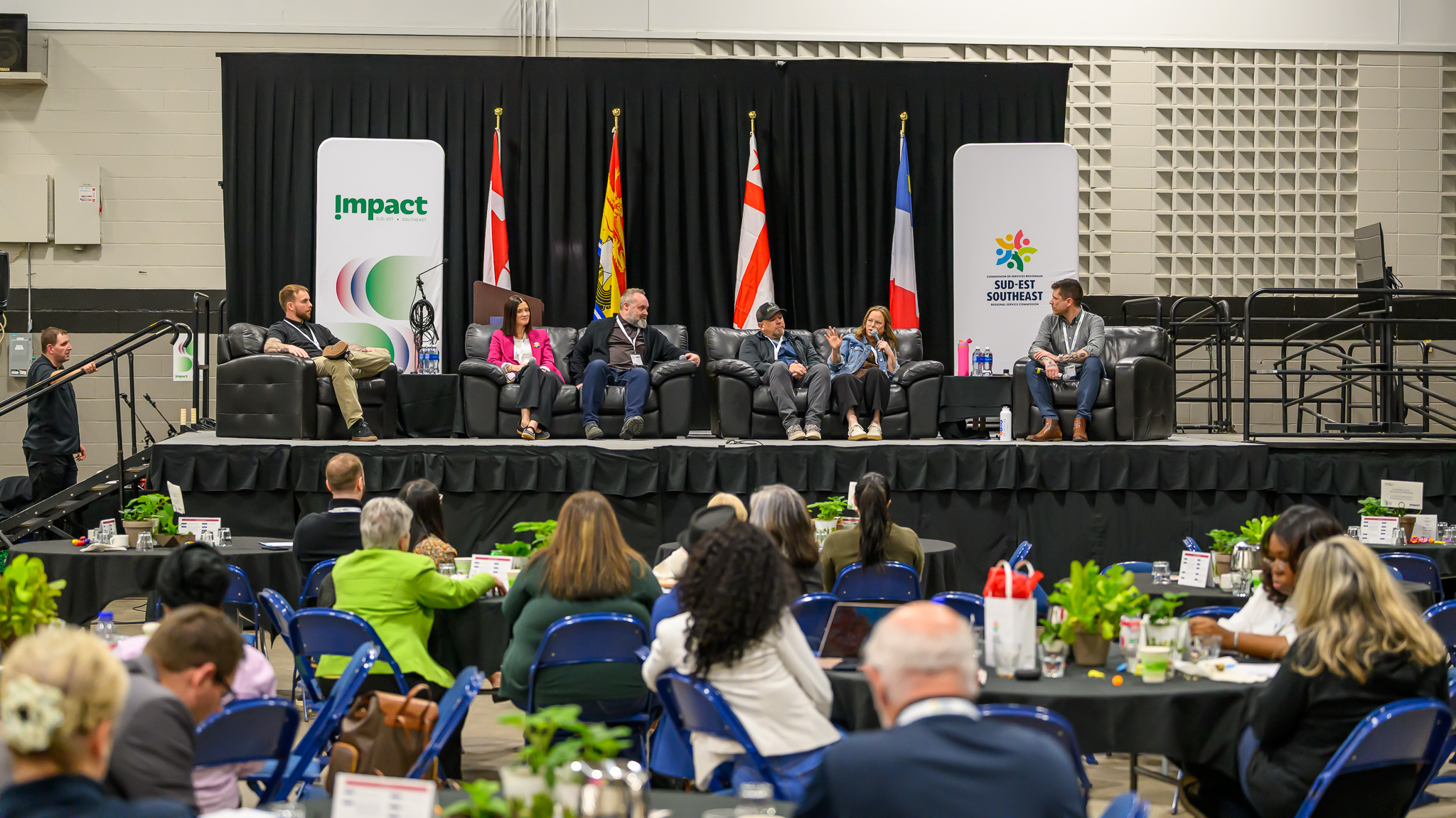
Impact Southeast Forum 2026 brings together more than 250 community leaders in Moncton
The very first edition of the Impact Southeast Forum took place in Moncton from April 29 to May 1. Dedicated to the region’s non-profit sector, the event brought together more than 250 participants, including New Brunswick Premier Susan Holt.
A few weeks after the event, we reached out to those who took part in this inaugural edition to hear about their experience. Here’s what they had to say.
“The Impact Southeast Forum was an excellent example of an initiative that fostered dialogue, knowledge sharing, and collaboration among organizations, non-profits, and regional partners.
Congratulations to the Southeast Regional Service Commission for organizing this unifying event. A strong community sector is essential to New Brunswick, and opportunities like this allow organizations to build connections, share their realities, and work together to better meet the needs of their communities. This is what helps advance social and economic inclusion across the province.”
Hélène Hébert, Director of Strategic Partnerships, Economic and Social Inclusion Corporation

“The Impact Southeast Forum provided an exceptional opportunity to connect with dedicated partners, build new relationships, and strengthen existing collaborations. As a member of Vitalité Health Network’s Community Engagement team, this event reinforced the importance of collective action in addressing the needs of our communities.
Beyond the networking opportunities, I was inspired by the diversity of organizations, municipalities, institutions, and citizens in attendance, all united by a shared commitment to positively contribute to the well-being of our region. The conversations allowed us to discover inspiring initiatives, share best practices, and explore new opportunities for collaboration.
I would also like to highlight the quality of the presentations and discussions offered throughout the forum. Speakers, panelists, and participants shared valuable experiences, challenges, and innovative solutions that sparked meaningful reflection and encouraged forward-looking conversations about the future of our region. Their openness and willingness to share their knowledge greatly enriched the event.
Events like this are essential because they create spaces where people can come together, learn from one another, and develop partnerships that lead to tangible benefits for our communities. When we work together, we break down silos, maximize our resources, and strengthen our collective ability to address both current and future challenges.
I left this experience feeling motivated, inspired, and more convinced than ever that collaboration is one of the keys to building strong, inclusive, and healthy communities.”
Nathalie Bernard-Shea, Community Engagement Coordinator, Vitalité Health Network

“The Impact Southeast Forum offered a remarkable range of insights into local and provincial initiatives, while also providing valuable learning opportunities for people across all sectors, including non-profit organizations, businesses, and institutions. The discussions explored practical ways to create positive change for youth and young adults while strengthening the capacity of the organizations that support them. The presence of representatives from the community sector, government, and business community fostered meaningful dialogue and helped break down silos. These gatherings make it possible to address challenges and solutions collectively, rather than working independently.
I have attended many conferences over the years, but few have left me wishing I could have participated in even more workshops and learning sessions. The Impact Southeast Forum is certainly one of them.”
Byron Rayne, Program Manager, Youth QUEST Central

“The Impact Southeast Forum was an extremely enriching experience for our organization. The discussions on mental health, leadership, inclusion, and accessibility sparked important reflections on how we can continue to better support the people we serve.
I particularly appreciated the conversations around measuring social impact, which reminded us of the importance of focusing on the real changes experienced by individuals. The workshops on revenue diversification and social enterprise also provided us with practical tools and new avenues to explore, to ensure the sustainability and growth of our services.
Beyond the workshops and discussions, the forum created valuable opportunities to build relationships with other organizations and partners committed to the well-being of our communities. I left the event inspired, with new ideas and new directions that I continue to implement today.”
Nataliia Haidash, Executive Director, New Brunswick Refugee Clinic
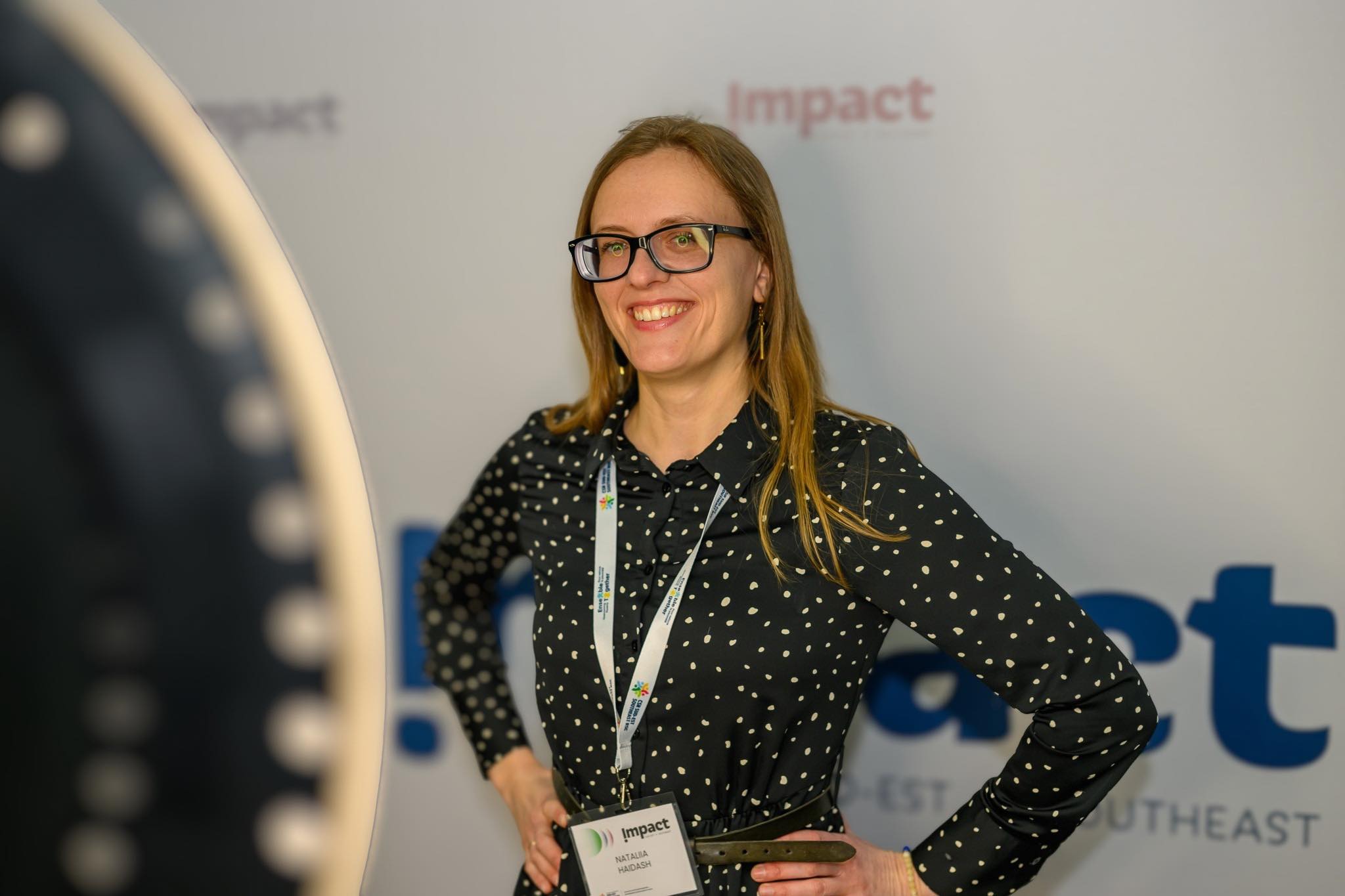
"I had the pleasure of attending the Impact Southeast Forum held at the Moncton Coliseum from April 29 to May 1. The forum offered an outstanding lineup of informative and engaging sessions on topics such as mental health and addictions, board governance and finance, and the importance of building strong relationships between non-profit organizations and municipal governments. In addition to the valuable learning opportunities, the event provided an excellent platform to connect and network with other passionate and like-minded individuals from across the region.
I would like to extend my sincere appreciation to the organizing team for their hard work and dedication in delivering such a meaningful and impactful three-day event. The knowledge, insights, and connections gained will undoubtedly benefit both our organization and the communities we serve."
Bob Rochon, Chairperson of the Bennett and Albert County Health Care Foundation

09 July 2026
Are You Sorting Your Waste Correctly? Understanding waste contamination in Southeast New Brunswick
The hidden impact of waste contamination
Most of us already recycle, compost, and try to reduce the amount of waste we send to landfill. What many of us don't realize, however, is that sorting our waste correctly is just as important as both recycling and composting.
Proper waste sorting helps ensure that recyclable materials can be recovered, organic waste can be composted, and garbage is managed safely and responsibly. It also helps protect workers, reduce contamination, improve processing efficiency, and support a cleaner, more sustainable Southeast New Brunswick.
In other words, what goes into each bag matters.
What is waste contamination?
Waste contamination occurs when items are placed in the wrong stream. This can include food waste in a recycling bag, batteries in household garbage, or materials that are not accepted in curbside recycling.
At first glance, these mistakes may seem minor. However, when materials are mixed incorrectly, they can contaminate otherwise recyclable or compostable items, making them more difficult or sometimes impossible to recover.
While sorting waste may feel like a small task at home, it plays a significant role in the overall waste management system. The choices we make each week help determine whether materials are successfully diverted from landfill.
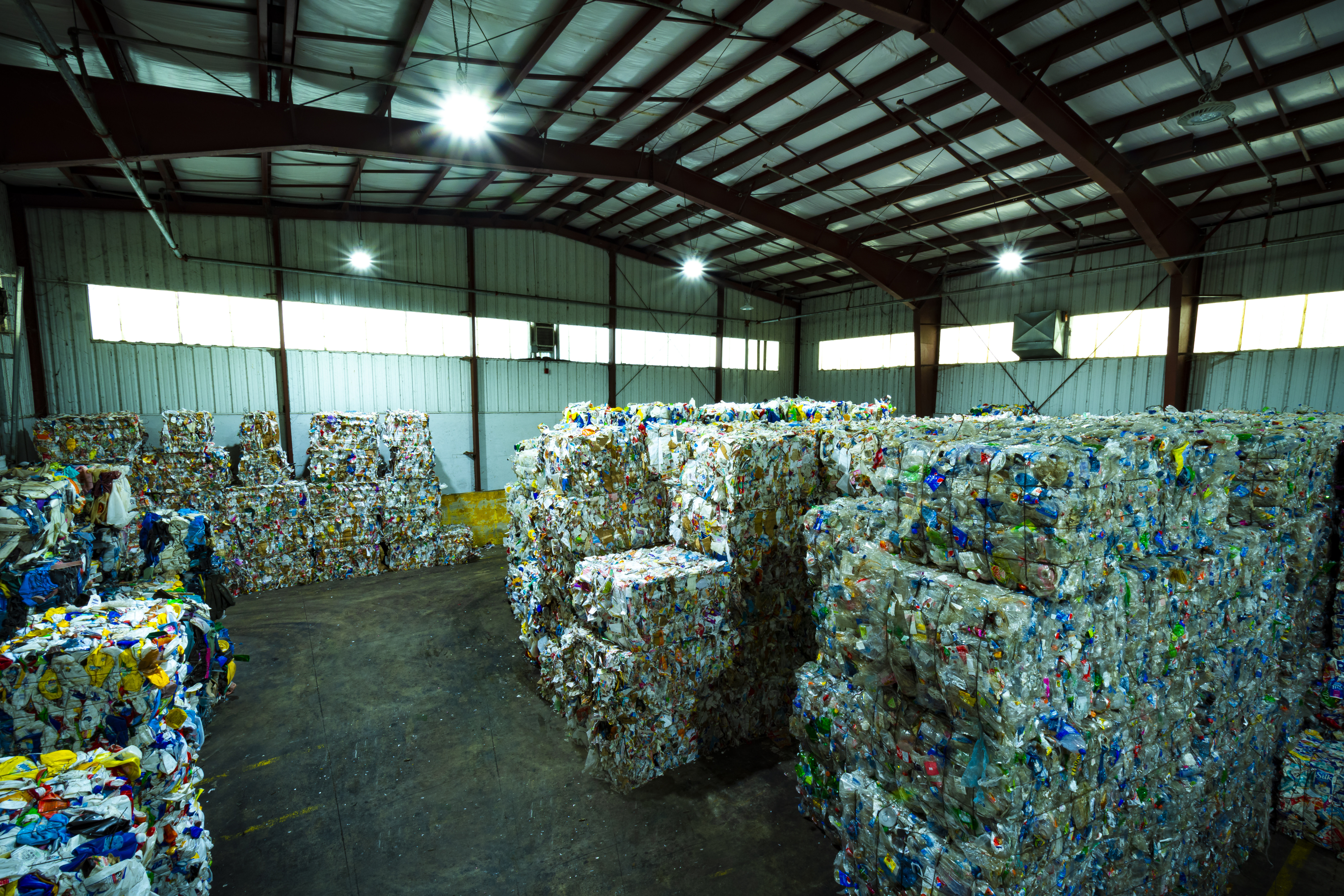
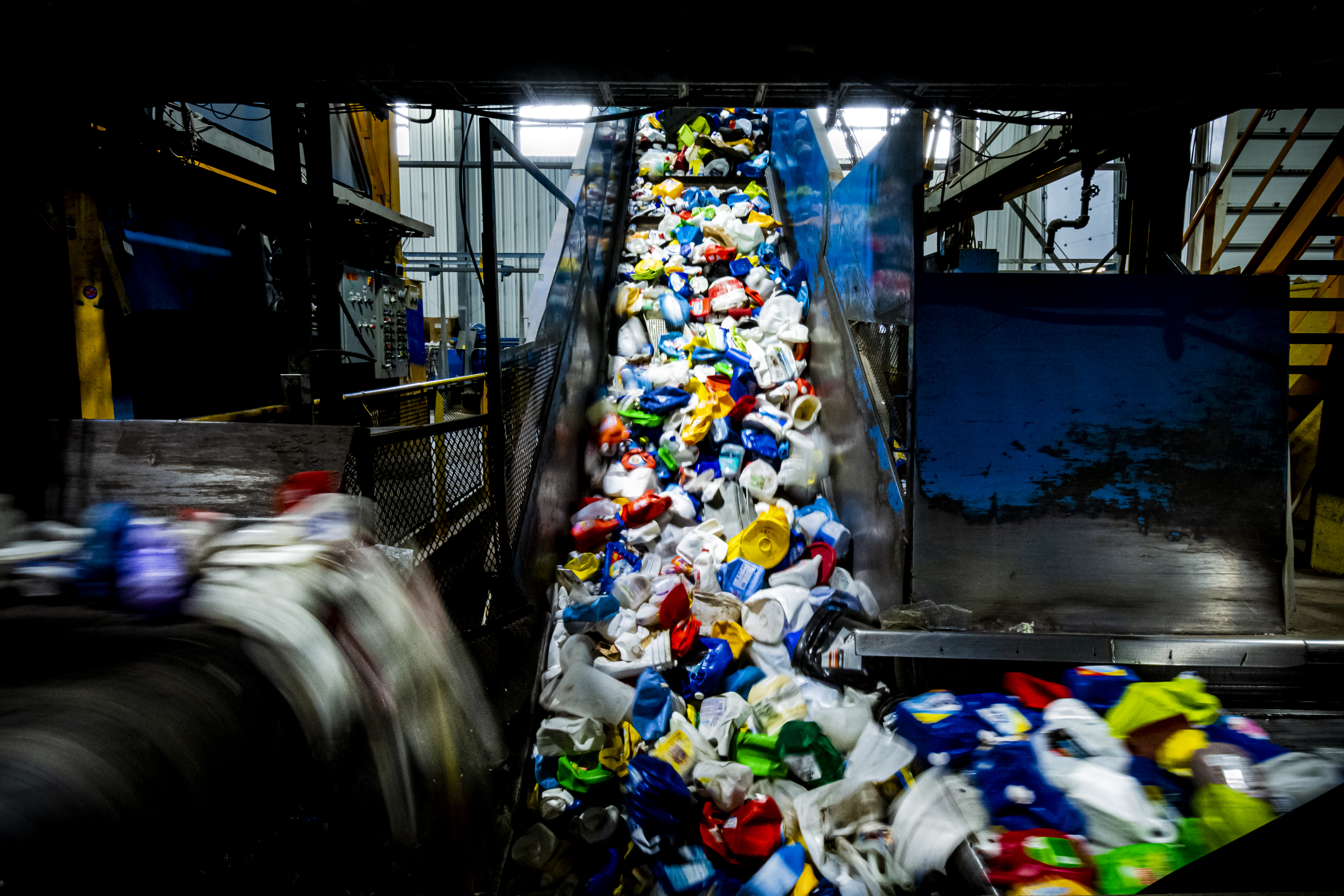
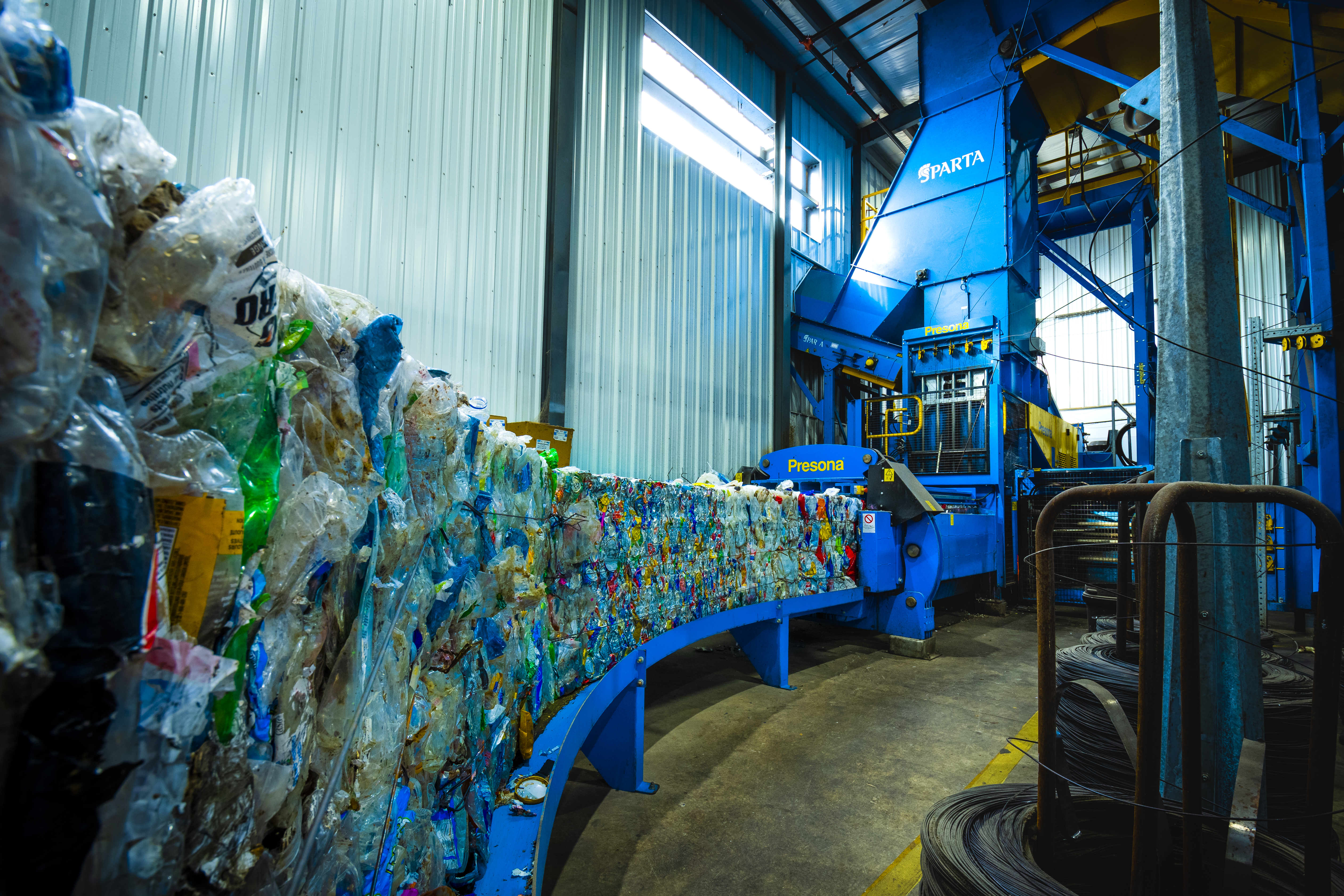
It is important to note that blue bags are sent directly to our recycling facility for processing, green bags are sent to our compost facility, and clear bags are sent to landfill for disposal. Because each stream is managed separately, placing materials in the correct bag is essential to ensure they are processed properly.
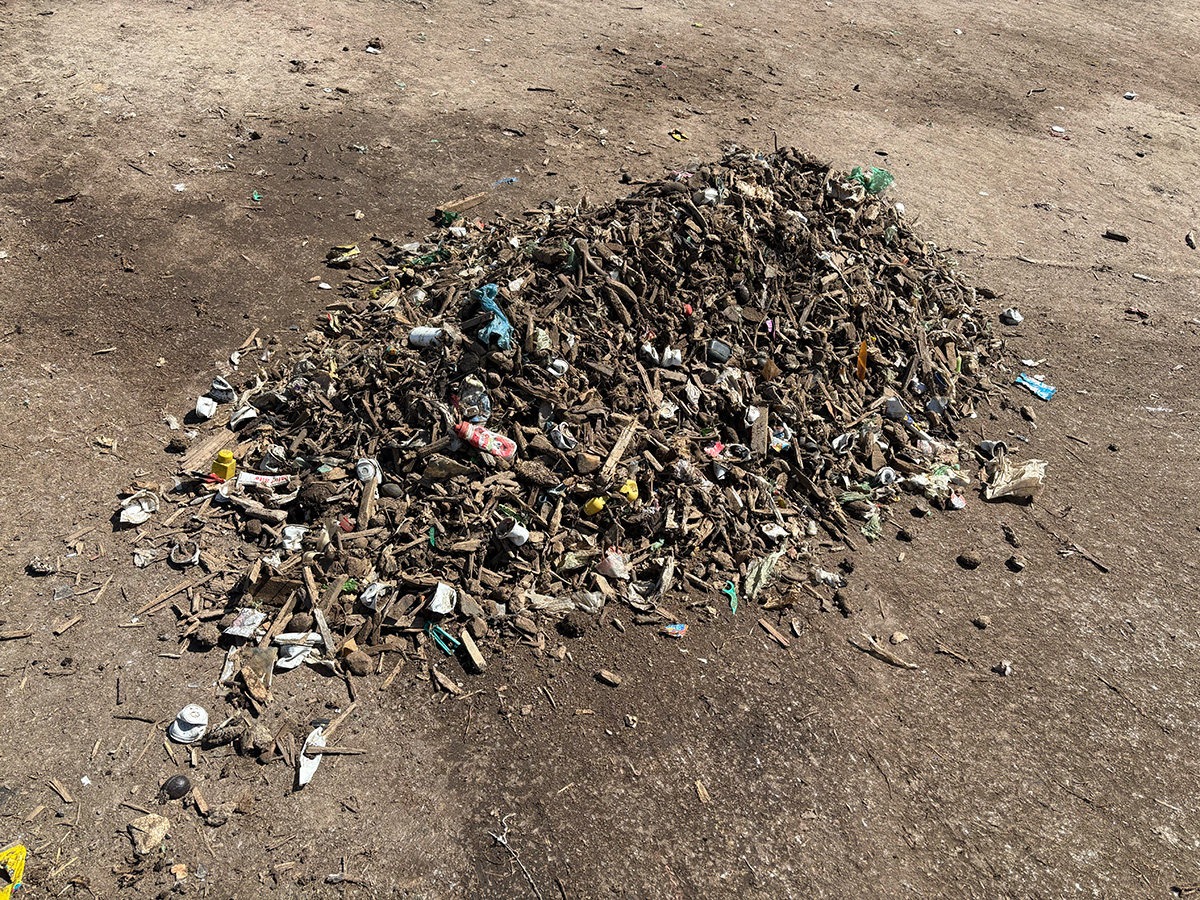
Why recycling quality depends on sorting
Recycling works best when materials are clean, dry, empty, and accepted in the recycling program.
When recycling bags contain food residue, liquids, garbage, hazardous materials, or other non-accepted items, the quality of recyclable materials decreases. In some cases, contaminated materials require additional handling or cannot be recycled at all.
Wishcycling: when good intentions create contamination
One common cause of recycling contamination is wishcycling. Wishcycling is the practice of placing an item in the recycling bag because you hope it can be recycled, even though you're not sure. People often do this with good intentions, but it can contaminate recyclable materials, increase processing costs, damage sorting equipment, and cause otherwise recyclable materials to be rejected.
For example, someone may place a half-full jar of expired peanut butter in the recycling bin without emptying it first, assuming it will be cleaned at the recycling facility. Instead, the leftover food can contaminate other recyclable materials, making them more difficult to recycle.
Another common example is placing items such as garden hoses or plastic toys in the recycling bin simply because they are made of plastic. Although these items may seem recyclable, they are not accepted in the curbside recycling programs. They can wrap around sorting equipment, causing delays, equipment damage, and costly repairs.
The best way to avoid wishcycling is simple: when in doubt, check the current sorting guidelines before placing an item in your recycling bag.
Ultimately, recycling is about more than collection. It is about recovering valuable materials so they can be used again. Proper sorting helps preserve the value of those materials and supports a more effective recycling system.
We can all help by rinsing containers, flattening cardboard, keeping materials dry, and checking current sorting guidelines when we are unsure where something belongs.
Safety matters too
Proper sorting is not only an environmental issue; it is also a safety issue.
Certain materials should never be placed in regular garbage, compost or recycling because they can pose safety hazards during collection, transportation, or processing. These include batteries, sharps (needles and syringes), chemicals, paint, electronics, propane tanks, and other hazardous materials, all of which require special handling.
Batteries pose one of the greatest safety risks in the waste stream. When damaged or compressed, they can start fires that endanger collection crews, processing facility staff, damage equipment, and, in some cases, threaten nearby communities.
By using approved collection programs and Mobile Eco-Depot services for these materials, we help keep both people and infrastructure safe.
The cost of sorting mistakes
Incorrect sorting also creates additional costs throughout the waste management system.
When materials become contaminated, more time and resources are needed to separate, handle, or dispose of them. Equipment can be damaged, processing can be delayed, and materials that could have been recycled or composted may end up in landfill instead.
These additional costs affect the efficiency of the entire system.
Proper sorting supports better material recovery, reduces unnecessary handling, and helps extend the lifespan of landfill facilities.
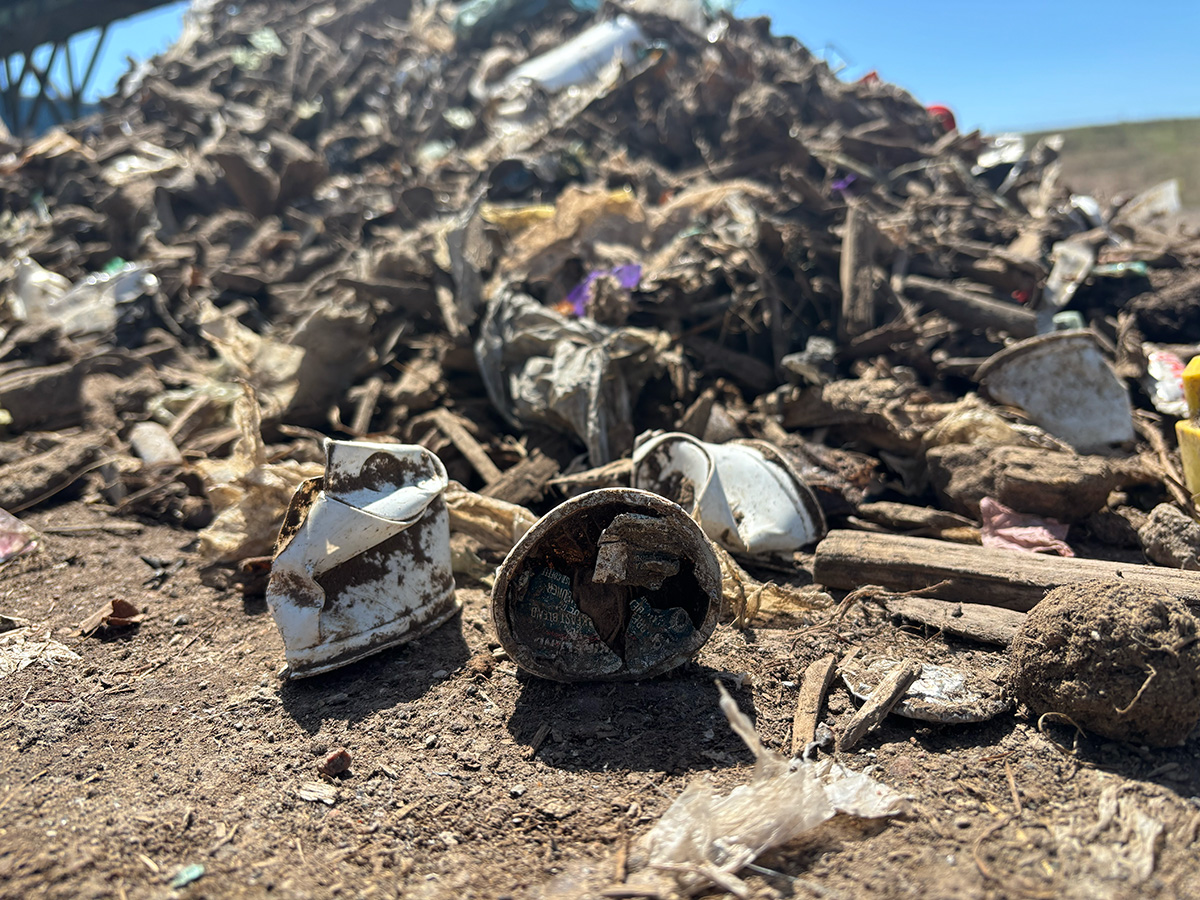
Organics belong in the green stream
One of the most effective ways to reduce the amount of waste sent to landfill is by properly sorting organic materials. Food scraps, yard waste, and certain paper products can often be composted instead of being discarded as garbage. When sorted correctly, these materials can be transformed into nutrient-rich compost and returned to productive use.
Common organic materials include:
Fruit and vegetable scraps
Coffee grounds
Tea bags
Yard waste
Paper towels and napkins
Keeping organics separate from garbage helps reduce odours, improve compost quality, and support stronger waste diversion results across the region.
Not everything belongs at the curb
Some materials require specialized disposal options.
Items such as batteries, electronics, paint, household chemicals, tires, and bulky household items should be taken to designated collection programs or Mobile Eco-Depot events.
Using the appropriate disposal option helps prevent hazardous materials from entering regular waste streams and ensures they are managed safely and responsibly.
When we take the time to dispose of these items correctly, we help protect both the environment and the people who work within the waste management system.
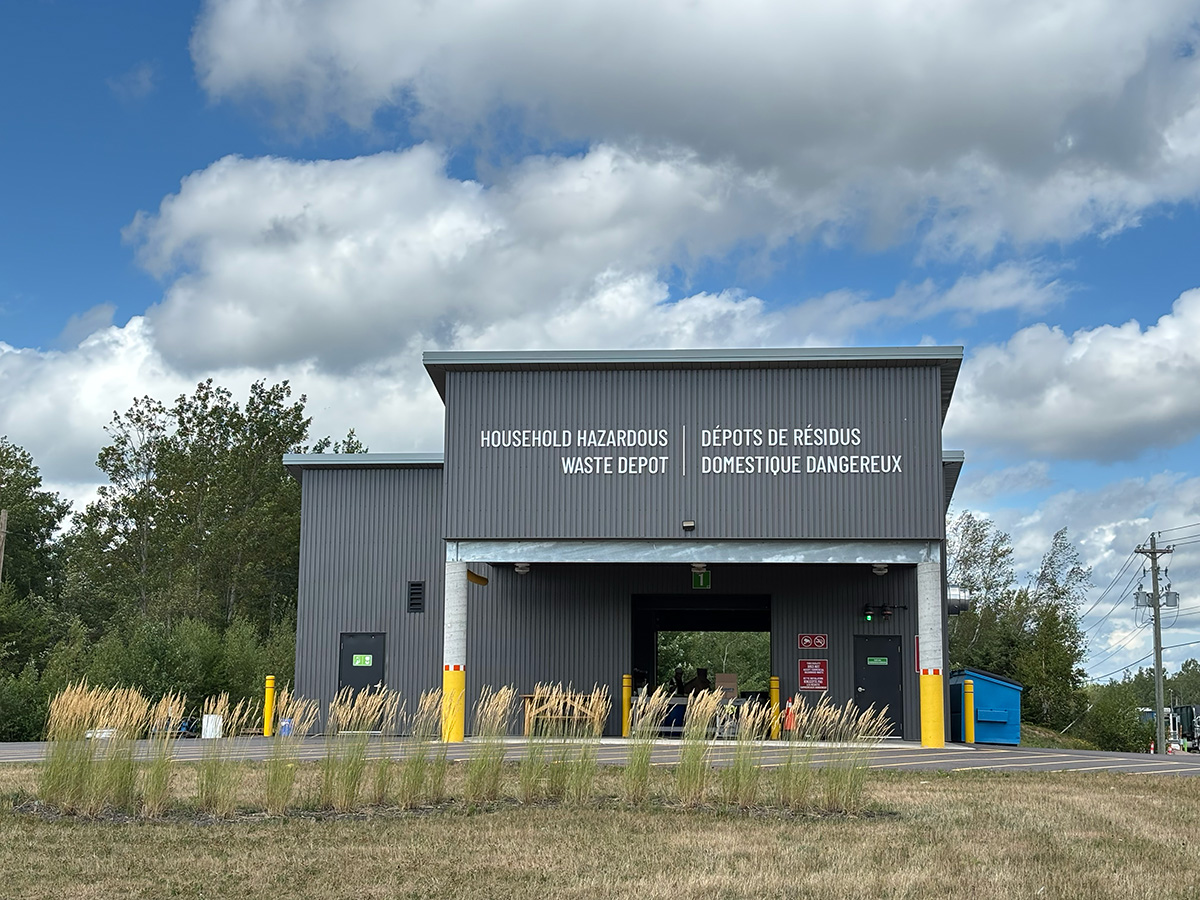
Simple ways to sort better at home
Proper sorting does not have to be complicated. A few simple habits can make a meaningful difference:
Keep separate containers for garbage, recycling, and organics.
Rinse food containers before recycling them.
Keep paper and cardboard clean and dry.
Flatten cardboard boxes to save space.
Keep batteries, sharps, paint, chemicals, and electronics out of curbside bags (blue, green, and clear).
Use Mobile Eco-Depot services, or other approved locations, for materials that do not belong in regular collection.
When in doubt, it is always worth taking a moment to check.
A small action with a regional impact
Waste sorting starts at home, but its impact extends far beyond our front doors.
Every properly sorted bag helps improve recycling quality, support composting programs, enhance worker safety, and strengthen waste diversion efforts across Southeast New Brunswick.
The good news is that making a difference does not require major changes. By taking a few extra seconds to sort materials correctly, we can all contribute to a cleaner environment, more efficient waste services, and a more sustainable future for our communities.
To learn more about sorting guidelines, recycling programs, Mobile Eco-Depot services, and waste collection information, visit Eco360.ca.